

Introduction
India has become one of the fastest-growing entrepreneurial markets in the world. The increasing use of technology, digital platforms, and innovative ideas has created new opportunities for people who want to build their own businesses. To support this growing entrepreneurial environment, the Government of India introduced Startup India, an initiative designed to encourage innovation, support new businesses, and create a stronger startup ecosystem.
The main purpose of this initiative is to help entrepreneurs turn their ideas into successful businesses by providing support, resources, and opportunities. It focuses on reducing difficulties faced by new businesses and encouraging young innovators to develop solutions for real-world problems. Over the years, India’s startup ecosystem has expanded across different sectors, including technology, healthcare, education, agriculture, finance, and e-commerce. Many entrepreneurs are creating solutions that not only serve Indian customers but also compete in global markets.
Understanding the concept, benefits, challenges, and opportunities related to Startup India helps aspiring entrepreneurs make better decisions and build sustainable businesses.
What Is Startup India?
Startup India is an initiative launched to promote entrepreneurship and support the growth of new businesses in India. It aims to create a supportive environment where entrepreneurs can develop innovative ideas, access resources, and expand their companies. The initiative focuses on encouraging innovation by helping startups overcome common challenges such as funding difficulties, lack of guidance, and limited market access. It provides a platform where new businesses can connect with investors, mentors, and different support systems.
A startup is generally created to solve a problem through an innovative product, service, or technology. Unlike traditional businesses, startups often focus on rapid growth, experimentation, and creating new solutions. The growth of Startup India has encouraged many young entrepreneurs to explore business opportunities instead of only seeking traditional employment. It has also helped increase awareness about entrepreneurship and innovation across the country.
Objectives of Startup India Initiative
The main goal of this initiative is to create a strong environment where businesses can grow and contribute to economic development. It focuses on improving opportunities for entrepreneurs and making it easier to start and manage a new business.
Some major objectives include:
- Encouraging innovation and creative ideas.
- Supporting new entrepreneurs.
- Creating employment opportunities.
- Improving access to funding and mentorship.
The initiative also aims to develop a culture where people are encouraged to take risks and create solutions. By supporting startups, the program helps businesses grow while contributing to national economic progress. A strong startup ecosystem benefits not only entrepreneurs but also customers, investors, and industries because it promotes competition and improves the availability of innovative products and services.
Importance of Startup India for Entrepreneurs
Entrepreneurs often face several difficulties when starting a new business, including financial limitations, lack of resources, and uncertainty about market demand. Startup India plays an important role by providing support systems that help reduce these challenges. One of the biggest advantages is that it encourages people to convert their ideas into practical businesses. Many talented individuals have innovative concepts but lack the guidance and resources needed to develop them. Support programs and entrepreneurial networks help bridge this gap.
The initiative also promotes innovation across different industries. Entrepreneurs working in areas such as technology, agriculture, healthcare, and education can develop solutions that address important social and economic challenges. Startup India has also helped create awareness about entrepreneurship as a career option. More people are now exploring business opportunities and contributing to India’s growing startup ecosystem.
Benefits Available for Startups
Startups require support during their early stages because building a business involves several risks. Government initiatives and ecosystem support can help entrepreneurs manage these difficulties and focus on growth.
| Benefit Area | Description |
|---|---|
| Funding Support | Helps startups find financial opportunities and investment options |
| Mentorship | Provides guidance from experienced professionals |
| Networking | Connects entrepreneurs with investors and business communities |
| Innovation Support | Encourages development of new ideas and solutions |
Apart from financial assistance, startups also benefit from knowledge sharing and business guidance. Experienced mentors can help entrepreneurs understand market challenges and develop better strategies. A supportive environment allows startups to focus on improving their products and reaching customers more effectively.
Growth of Startup Ecosystem in India
India’s startup ecosystem has grown rapidly because of increasing internet access, digital adoption, and a large consumer market. Entrepreneurs are creating businesses in various fields and using technology to solve everyday problems. Technology-based startups have played a major role in this growth. Companies working in online services, digital payments, education platforms, healthcare solutions, and e-commerce have changed how people access products and services.
The availability of digital infrastructure has made it easier for startups to reach customers across different regions. Even small businesses can now use online platforms to market their products and compete in larger markets. The success of Indian startups has also attracted investors from different parts of the world. This investment has helped many businesses expand operations, create jobs, and develop innovative solutions.
The continuous growth of Startup India shows the increasing importance of entrepreneurship in India’s economic future.
Challenges Faced by Startups in India
Although the startup ecosystem in India is growing rapidly, entrepreneurs still face several challenges while building and expanding their businesses. Starting a new company requires proper planning, financial management, and the ability to handle uncertainty. Many startups struggle during the early stages because they need to attract customers, manage expenses, and compete with established businesses. One of the biggest challenges is funding. While many innovative ideas have strong potential, entrepreneurs may find it difficult to arrange enough capital for product development, marketing, and expansion. Managing cash flow is also important because startups often need time before they begin generating stable revenue.
Another challenge is finding skilled employees who can support business growth. A startup requires people with different abilities, including technology, marketing, management, and customer service skills. Building the right team can become difficult, especially for new companies with limited resources.
Some common challenges faced by startups include:
- Limited access to early-stage funding.
- Difficulty in understanding market needs.
- Competition from established companies.
- Managing growth and operational costs.
Despite these challenges, many startups continue to succeed because entrepreneurs are becoming more prepared and are using available resources effectively.
Major Sectors Growing Under Startup India
The Indian startup ecosystem is expanding across multiple industries. Entrepreneurs are developing innovative solutions in sectors that directly impact people’s daily lives. Technology has become a major factor behind this growth, allowing businesses to create efficient and accessible services. One of the fastest-growing areas is technology, where startups are developing software, applications, and digital platforms. Healthcare startups are also increasing because they provide solutions such as online consultations, medical technology, and improved healthcare services.
Education is another important sector where startups are creating digital learning platforms and tools that make education more accessible. Agriculture startups are helping farmers by introducing modern techniques, better market connections, and technology-based solutions.
Some major startup sectors in India include:
| Sector | Startup Opportunities |
|---|---|
| Technology | Software, applications, artificial intelligence, digital services |
| Healthcare | Medical technology, online healthcare solutions |
| Education | Online learning platforms and educational tools |
| Agriculture | Smart farming solutions and agricultural services |
| Finance | Digital payments and financial technology |
The growth of these sectors shows that startups are not only creating businesses but also solving important problems faced by society.
Role of Innovation in Startup India Growth
Innovation is the foundation of every successful startup. New businesses often succeed because they introduce better methods, improve existing systems, or create completely new solutions. In the Indian market, innovation has helped entrepreneurs develop products that match local customer needs. A successful startup focuses on identifying problems and creating practical solutions. Innovation can involve technology, business models, customer service, or operational improvements. It does not always mean creating something completely new; sometimes improving an existing idea can create significant value.
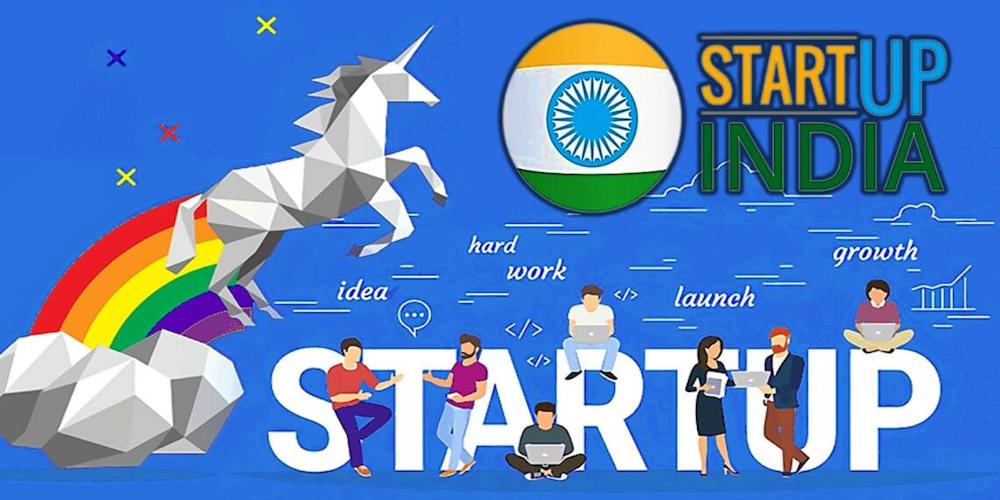
Entrepreneurs under the Startup India ecosystem are encouraged to experiment, test ideas, and develop creative approaches. This culture of innovation helps businesses remain competitive and adapt to changing market conditions. Continuous improvement is also important because customer expectations change over time. Startups that listen to users and improve their products have better chances of achieving long-term growth.
How Entrepreneurs Can Build a Successful Startup
Building a successful business requires more than just a good idea. Entrepreneurs need proper planning, market understanding, and the ability to manage challenges effectively. A clear business strategy helps startups move in the right direction and avoid unnecessary mistakes. Before launching a business, entrepreneurs should research their target customers and understand their requirements. Knowing the market helps create products that provide real value. Financial planning is also important because effective use of resources can determine whether a business survives during its early stages.
Building relationships with customers, investors, and industry experts can provide valuable support. Networking helps entrepreneurs learn from experienced professionals and discover new opportunities.
Important factors that help entrepreneurs grow include:
- Understanding customer problems.
- Maintaining financial discipline.
- Building a strong team.
- Improving products continuously.
A successful startup is created through consistent effort, learning, and adaptation. Entrepreneurs who remain focused and flexible can overcome difficulties and achieve sustainable growth.
Future Opportunities for Startup India
The future of entrepreneurship in India looks promising because technology and innovation continue to create new possibilities. With a large population, growing digital adoption, and increasing demand for modern solutions, startups have many opportunities to expand. Future growth is expected in areas such as artificial intelligence, clean energy, healthcare technology, online services, and sustainable business solutions. Entrepreneurs who can combine technology with practical problem-solving will have strong opportunities to build successful companies.
The increasing use of digital platforms has also made it easier for startups to reach customers in different regions. Businesses are no longer limited to local markets and can connect with users across the country and worldwide. Startup India will continue to play an important role in encouraging entrepreneurship and supporting innovation. As more people develop business ideas, the startup ecosystem is expected to become stronger and more diverse.
Conclusion
Startup India has become an important initiative for encouraging entrepreneurship, innovation, and business growth in the country. It has created opportunities for individuals who want to transform their ideas into successful businesses and contribute to economic development. The growth of startups has changed the way people think about careers and business opportunities. Entrepreneurs are now creating solutions in different sectors, including technology, healthcare, education, agriculture, and finance.
However, building a successful business requires dedication, planning, and the ability to overcome challenges. Funding limitations, competition, and operational difficulties are common obstacles, but proper strategies and continuous improvement can help startups succeed. The future of Startup India looks positive because innovation and technology continue to create new opportunities. With strong ideas, effective management, and customer-focused solutions, Indian startups can continue to grow and make a significant impact in the global business environment.