

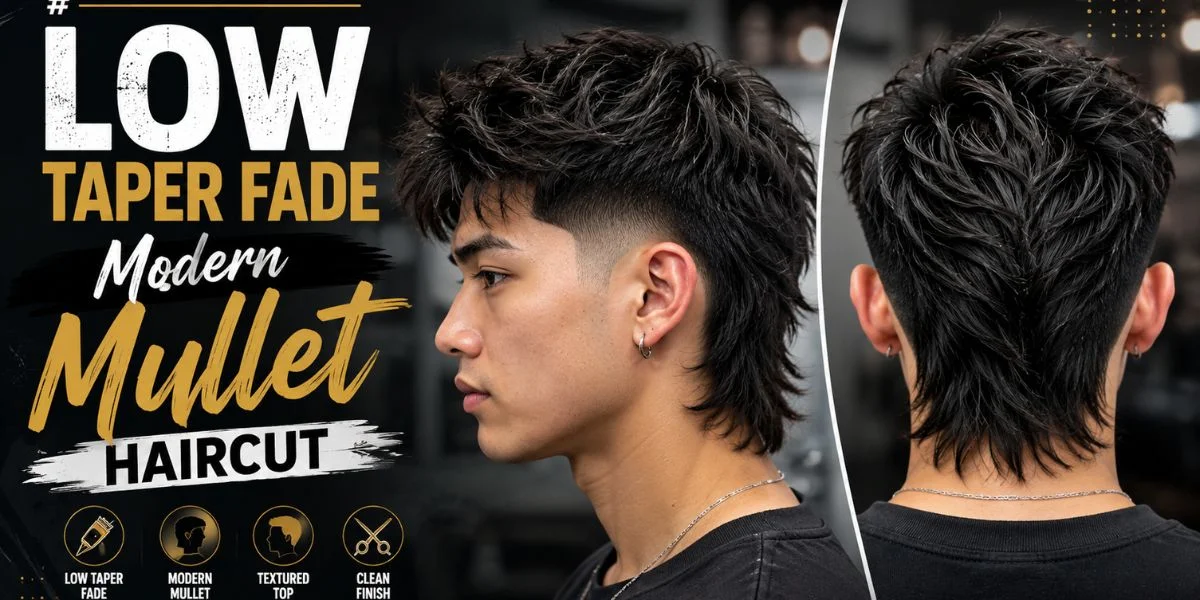
Hairstyles continue to evolve as people look for fresh ways to express their personalities while maintaining a polished appearance. Some haircuts become popular because they offer something different from traditional styles, while others gain attention because they successfully combine classic elements with modern techniques. The mullet is one such hairstyle that has made a remarkable comeback. Once associated with retro fashion and bold personalities, it has been redesigned with cleaner lines, softer transitions, and more versatile shapes. One of the most appealing versions of this trend is the low taper mullet, which balances a distinctive silhouette with a neat and contemporary finish.
The popularity of this haircut comes from its ability to create contrast without making the overall appearance look excessively dramatic. The sides gradually become shorter around the ears and neckline, while the hair at the back remains longer. This combination produces a recognizable mullet shape while keeping the haircut relatively subtle. It can work with straight, wavy, and curly hair, making it suitable for people with different textures and styling preferences. Whether someone prefers a relaxed everyday appearance or a more carefully styled look, this haircut provides plenty of opportunities for personalization.
What Is a Low Taper Mullet?
A low taper mullet is a modern interpretation of the traditional mullet that features a gradual fade beginning close to the ears and lower neckline. Unlike high fades that remove a considerable amount of hair from the sides, a low taper maintains more natural volume around the upper sides of the head. The back is intentionally left longer, creating the characteristic difference between the front, sides, and rear sections.
The defining feature is the transition between shorter and longer hair. Instead of creating a sharp separation, the barber blends the lower sections gradually to achieve a smooth appearance. This technique makes the haircut look cleaner without removing the personality that makes a mullet recognizable. The result is a balanced hairstyle that can appear casual, fashionable, sporty, or slightly edgy depending on how the top and back are shaped.
Another reason people appreciate this haircut is its flexibility. Someone can choose a short, controlled back for a conservative appearance or keep more length for a traditional mullet-inspired silhouette. The top can also be textured, layered, or styled with additional volume. These small adjustments make it possible to create a haircut that complements individual preferences rather than following one fixed design.
Why Is This Hairstyle Becoming So Popular?
Modern hairstyle trends increasingly focus on individuality and practical styling. People want haircuts that look attractive in photographs but are also manageable during everyday activities. This style meets those expectations by combining the recognizable shape of a mullet with the neatness of a contemporary taper. It offers something more distinctive than a standard short haircut without requiring an extremely dramatic transformation.
Social media, fashion creators, athletes, and barbers have also contributed to the renewed interest in mullet-inspired haircuts. Different variations appear with textured tops, curly backs, sharp outlines, and natural finishes. The softer taper makes the overall style approachable for people who might otherwise hesitate to try a traditional mullet.
Its adaptability is another important advantage. A person can wear it with casual clothing, streetwear, or more structured outfits. The haircut does not depend on one particular fashion aesthetic. With the right proportions, it can look youthful, mature, relaxed, or fashion-forward.
Popular Variations to Consider
1. Classic Low Taper Mullet
The classic variation maintains a noticeable difference between the shorter sides and longer back. The taper starts low around the ears and gradually blends into the neckline. The top is usually kept at a moderate length, allowing the barber to create natural movement without making the hairstyle excessively complicated.
This version is ideal for someone who wants to experience the mullet trend without choosing an overly experimental haircut. It works particularly well when the back is shaped carefully and the sides are blended smoothly. A small amount of styling cream can help maintain texture while allowing the hair to move naturally.
2. Curly Mullet With a Low Taper
Curly hair adds natural volume and personality to this haircut. The longer back allows curls to develop their natural shape, while the tapered sides create a cleaner outline around the ears and neckline. This combination can make thick curls appear more organized without removing their natural character.
The barber should consider curl shrinkage before deciding how much length to remove. Curly hair often appears shorter when dry than when wet, so discussing the desired final shape is important. A lightweight curl cream or leave-in conditioner can help maintain definition and reduce unwanted frizz.
3. Textured Top Mullet
A textured top gives the haircut a more contemporary appearance. Instead of keeping the upper section completely uniform, the barber uses layering and point cutting to create movement. This can be particularly effective for straight or slightly wavy hair that needs additional dimension.
The back remains longer, while the textured upper section creates a connection between the traditional mullet shape and modern barbering techniques. Matte styling clay or texture powder can help create a natural finish without making the hair look overly shiny.
4. Short Mullet With a Soft Taper
People who are uncertain about committing to longer hair can begin with a shorter variation. This style keeps the back relatively controlled while preserving enough length to create the mullet silhouette. The low taper provides a clean finish, making the haircut suitable for everyday settings.
It is also easier to maintain than versions with significantly longer back sections. Regular trimming can preserve its proportions while allowing the wearer to experiment with different top styles.
How to Choose the Right Variation for Your Face Shape
Choosing a haircut involves more than following a popular trend. The proportions of the hairstyle should complement the person’s facial structure, hairline, and natural hair growth. A well-designed mullet can create visual balance by adjusting the amount of volume at the top and the length at the back.
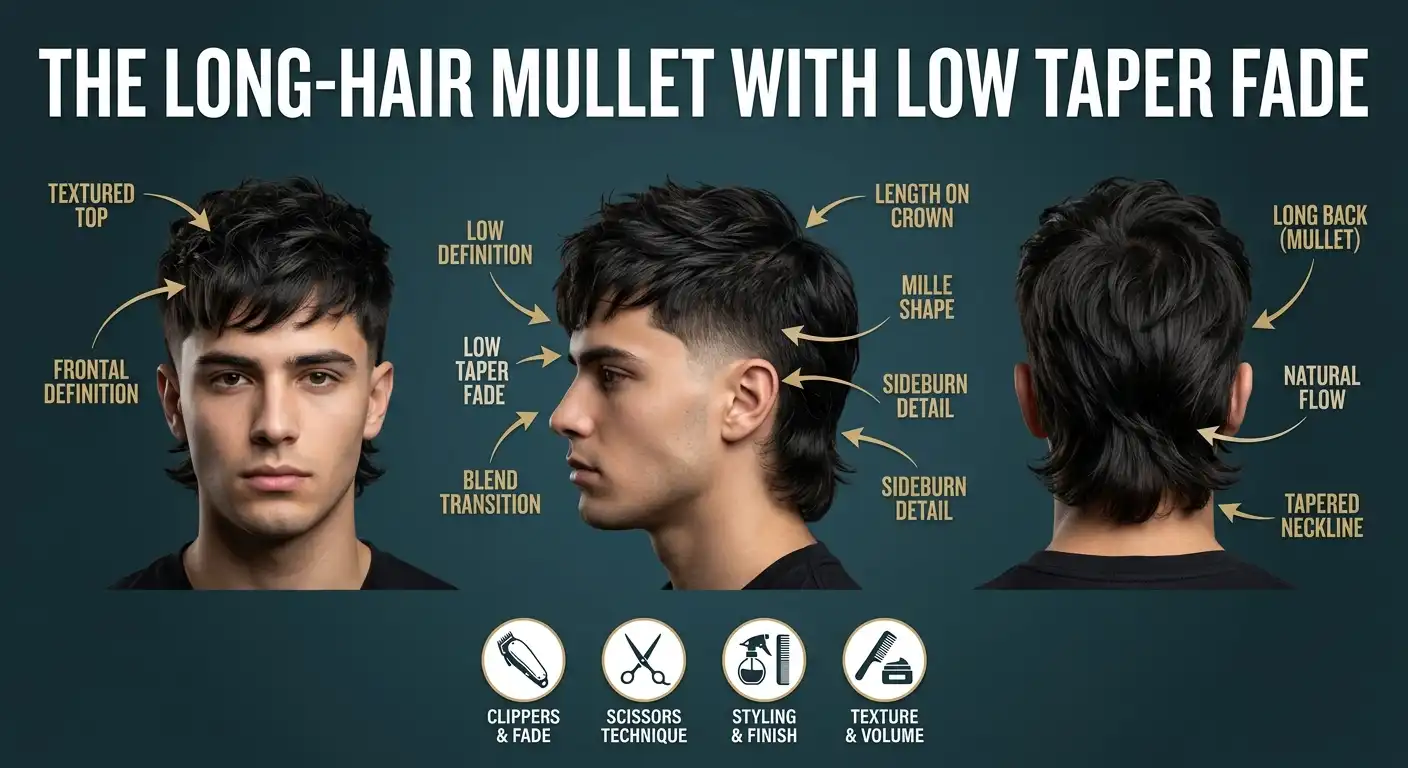
People with oval faces generally have considerable flexibility because their facial proportions work with many different hairstyles. They can experiment with textured tops, longer backs, and moderate volume. Those with round faces may prefer additional height and texture on top because these features can create a more elongated visual appearance.
For square faces, softer layers and natural movement can complement stronger facial angles. Meanwhile, people with longer faces may prefer controlled top volume and balanced back length rather than excessive height. These are styling suggestions rather than strict rules. Personal preference, hair texture, and overall proportions should always influence the final decision.
Which Hair Types Work Best With This Haircut?
One of the strongest advantages of this hairstyle is that it can be adapted to different hair types. However, the cutting technique should change depending on the thickness, density, and natural movement of the hair.
| Hair type | Recommended approach | Styling suggestion |
|---|---|---|
| Straight hair | Add layers and texture | Matte clay |
| Wavy hair | Preserve natural movement | Lightweight cream |
| Curly hair | Maintain curl definition | Curl cream |
| Thick hair | Remove excess bulk carefully | Styling paste |
| Fine hair | Avoid excessive thinning | Volumizing mousse |
Straight hair often benefits from additional texture because a completely flat top may make the haircut appear less dynamic. Layering creates movement and helps connect the upper section with the longer back.
Wavy and curly hair naturally provide volume, making them particularly interesting options for this hairstyle. Thick hair may require strategic weight removal, while fine hair generally benefits from maintaining sufficient density. A skilled barber can adjust the haircut to work with the natural characteristics of each hair type.
What Should You Tell Your Barber?
Communication is one of the most important parts of getting a successful haircut. Simply asking for a mullet may not produce the result you expect because different barbers interpret the style differently. Some may create a dramatic contrast, while others may prefer a softer and more traditional shape.
Explain that you want the taper to begin low around the ears and neckline. Mention how much length you want to preserve at the back and whether you prefer a textured or relatively smooth top. Bringing a reference photograph can make the conversation easier because it gives the barber a clear understanding of the proportions you like.
You can discuss these details before the haircut begins:
-
Keep the taper low and gradually blended.
-
Preserve enough length at the back to create a mullet shape.
-
Add texture to the top if you prefer natural movement.
-
Avoid removing too much volume from the upper sides.
It is also useful to discuss your daily styling routine. If you rarely use styling products, ask for a shape that looks good with minimal effort. If you enjoy experimenting with different finishes, your barber can leave additional length for styling flexibility.
How to Style Your Hair at Home
Styling does not need to involve complicated techniques or expensive products. The most important step is understanding how your hair naturally behaves. Begin by washing your hair with a suitable shampoo and conditioner. After washing, gently remove excess moisture using a towel instead of rubbing aggressively, as rough drying can create frizz and unwanted texture.
For a more controlled appearance, apply a small amount of styling cream to slightly damp hair. Use your fingers to distribute the product evenly, paying attention to the top and back sections. If you prefer additional volume, use a blow dryer on a moderate heat setting while lifting the roots with your fingers or a brush.
People who prefer a relaxed appearance can allow their hair to air-dry naturally. This works particularly well with wavy and curly textures. Those who want a more defined finish can use a small amount of matte clay or styling paste after drying. Avoid applying too much product because heavy styling products can make the hair look greasy and reduce its natural movement.
Maintenance and Haircare Tips
Although the longer back section is relatively easy to grow, the tapered sides require occasional attention to maintain their clean appearance. Most people benefit from visiting their barber every three to five weeks, depending on how quickly their hair grows and how sharp they want the taper to remain.
The back should also be trimmed periodically to prevent the shape from becoming uneven. However, trimming too much length can change the overall appearance, so explain your preferences before each appointment. Maintaining a consistent relationship with a barber who understands your preferred proportions can make future haircuts easier.
Healthy hair also contributes significantly to the final result. Regular conditioning, gentle washing, and avoiding excessive heat can help maintain softness and manageability. People with longer or curly back sections may benefit from occasional deep conditioning because these areas can become dry or tangled.
Common Mistakes to Avoid
One common mistake is choosing a taper that starts too high. A high fade changes the overall balance and can make the hairstyle look closer to a disconnected mullet. If you want a subtle appearance, make sure the barber understands that the blending should begin near the lower sides.
Another mistake is removing too much length from the back. The longer rear section is an important part of the haircut’s identity. Cutting it too short may eliminate the visual contrast that makes the style recognizable. Similarly, excessive thinning on top can make the hairstyle look uneven, particularly for people with fine hair.
Using too much styling product is another issue. Heavy waxes and creams can flatten natural texture and make the hair difficult to manage. Start with a small amount and increase it only when necessary. A balanced haircut should look attractive without requiring excessive daily effort.
Is This Hairstyle Suitable for School, College, and Work?
A softer mullet can be suitable for different environments, depending on the workplace or institution’s grooming expectations. The low placement of the taper creates a relatively neat outline, while the longer back provides a distinctive element. This makes it less dramatic than some traditional mullet variations.
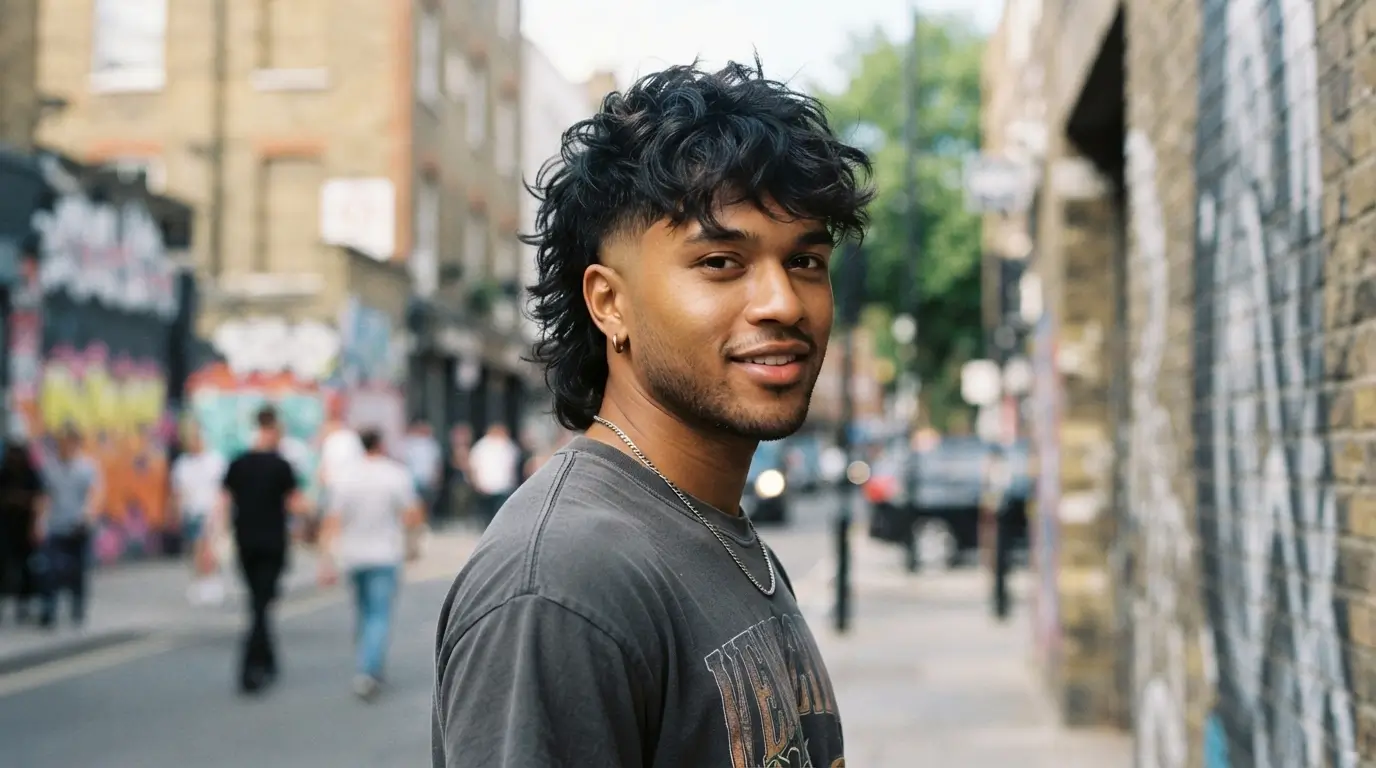
For college students, it offers an opportunity to experiment with personal style while maintaining a manageable haircut. A textured top and controlled back can create a relaxed appearance that works with everyday clothing. In professional environments, a shorter back and subtle blending may be more appropriate, although individual dress codes should always be considered.
The most important factor is choosing proportions that match your surroundings and personal comfort. You do not necessarily need an exaggerated mullet to enjoy the style. A carefully balanced version can provide individuality without making the haircut look excessively bold.
How to Make the Haircut Look More Modern
Modern barbering focuses on clean transitions, natural texture, and personalized proportions. To achieve a contemporary appearance, avoid making every section of the hair look overly structured. A little natural movement can make the haircut appear more relaxed and stylish.
You can also experiment with different fringe styles. A short textured fringe creates a youthful appearance, while a longer fringe can add movement around the forehead. Subtle layering at the back can improve the overall shape and prevent the hair from appearing too heavy.
Another useful approach is to match the taper with the natural hairline. Not every person needs an extremely sharp outline. A softer finish may look more natural and require less frequent maintenance. The objective is to create a haircut that complements your features rather than simply copying a photograph.
Conclusion
The mullet has successfully transformed from a retro hairstyle into a modern grooming trend that offers plenty of room for creativity. Its combination of shorter sides, gradual blending, and longer back creates an interesting silhouette that can be adapted to different hair textures, facial structures, and personal preferences. From curly and textured variations to shorter and more controlled versions, there are numerous ways to make the style your own.
A well-executed low taper mullet provides an appealing balance between individuality and a clean appearance. The key is selecting suitable proportions, communicating clearly with your barber, and following a simple maintenance routine. Whether you are trying a mullet for the first time or updating your existing haircut, choosing a variation that works with your natural hair texture will help you achieve a confident, comfortable, and fashionable appearance.