

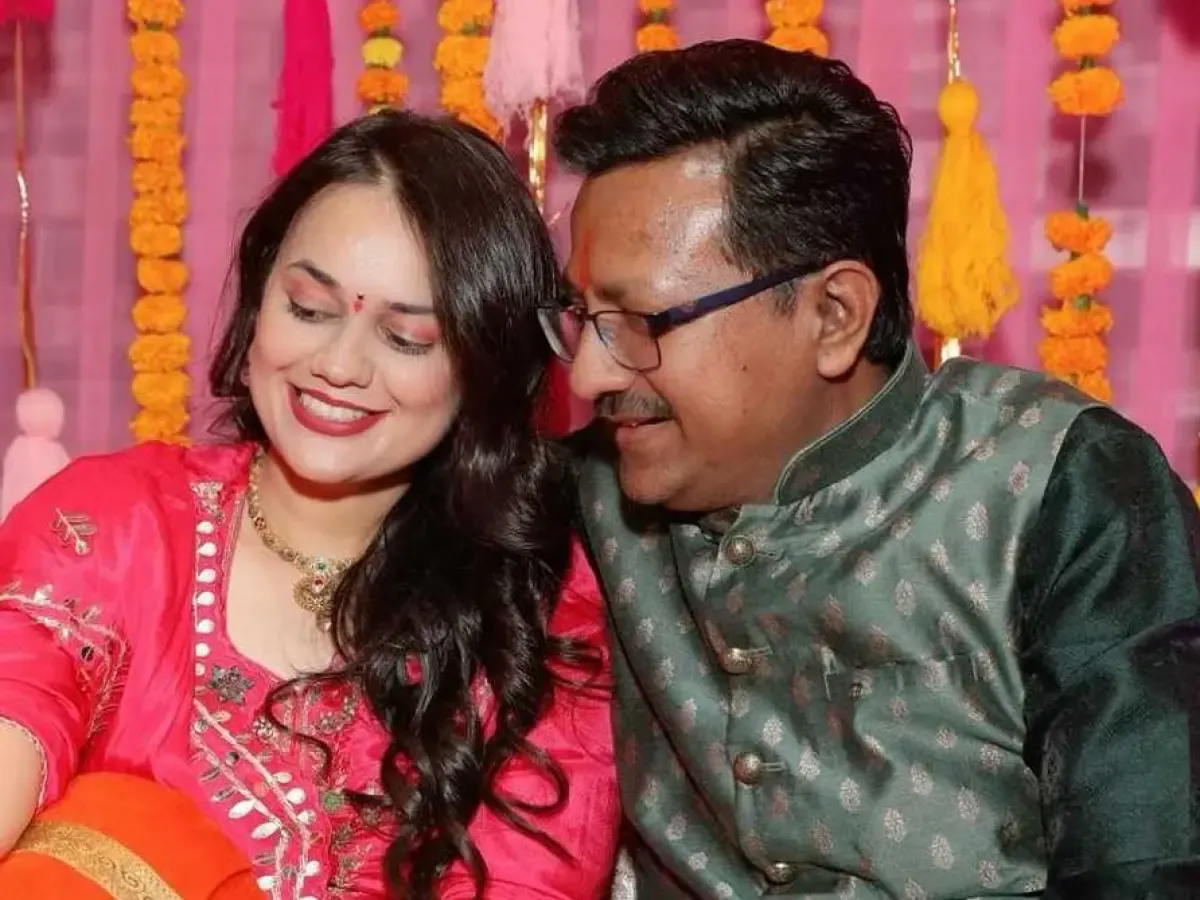
India’s administrative services include professionals from diverse educational and professional backgrounds. Some enter public administration after studying political science, economics or law, while others bring experience from entirely different fields. The journey of Pradeep Gawande is particularly interesting because it connects medical education with the demanding responsibilities of the Indian Administrative Service (IAS). His professional transition demonstrates how individuals can redirect their careers towards public service and contribute to governance through different areas of expertise.
Dr. Pradeep Gawande is a 2013-batch IAS officer belonging to the Rajasthan cadre. Before entering the civil services, he completed an MBBS degree and developed an educational foundation in medicine. His career subsequently took him into district administration, municipal governance, government departments and other important administrative responsibilities. He also attracted considerable public attention following his marriage to fellow IAS officer Tina Dabi in 2022. However, his professional journey extends well beyond his personal life and media recognition.
Understanding his background provides an opportunity to explore the UPSC examination, the importance of administrative leadership and the different responsibilities associated with district-level governance. His experience also illustrates how professionals with different academic qualifications can contribute to India’s public administration system.
Who Is Pradeep Gawande?
Pradeep Gawande is an Indian Administrative Service officer known for his professional transition from medicine to government administration. He belongs to the Rajasthan cadre and entered the IAS through the Union Public Service Commission’s Civil Services Examination. His selection placed him among the officers responsible for implementing government policies, coordinating administrative departments and addressing public concerns.
One distinctive aspect of his professional identity is his medical qualification. Completing an MBBS degree requires years of academic preparation, practical training and an understanding of human health. Moving from this educational background into civil services represents a significant career change. Instead of concentrating exclusively on medical practice, he chose a profession involving governance, public administration and policy implementation.
The IAS provides opportunities to work across different sectors, including education, healthcare, infrastructure, rural development and public welfare. Officers may serve in district administrations, state departments and central government institutions during their careers. These responsibilities require decision-making abilities, communication skills, professional discipline and an understanding of public needs.
Educational Background and Medical Qualification
Education played an important role in shaping Gawande’s early professional direction. He completed his Bachelor of Medicine and Bachelor of Surgery qualification, commonly known as MBBS, through medical education in Maharashtra. His academic background provided knowledge of healthcare systems, medical science and the importance of organised public services.
Medical education can develop several qualities that are valuable beyond hospitals and clinical environments. Students learn to examine complicated situations, evaluate available information and make decisions within demanding circumstances. They also become familiar with professional responsibility, teamwork and the importance of accurate communication. These abilities can be useful in administrative positions where officers regularly encounter complicated public problems.
Although medical practice and civil administration are different professions, both involve responsibility towards people. Healthcare professionals work to protect individual and community health, while administrative officers coordinate institutions and public programmes that influence wider social development. His transition demonstrates that specialised academic training does not necessarily restrict someone to one professional field.
From Doctor to IAS Officer: The Career Transition
Choosing to enter the civil services after completing medical education requires considerable preparation. The UPSC Civil Services Examination is widely recognised for its extensive syllabus, competitive selection process and multiple assessment stages. Candidates must demonstrate knowledge of subjects ranging from history and geography to economics, governance, science and current affairs.
For a medical graduate, preparing for this examination involves developing familiarity with several subjects outside the original academic specialisation. The process requires consistent study, analytical thinking and the ability to understand national and international developments. Candidates must also develop writing skills because the examination evaluates their ability to communicate arguments clearly and systematically.
Gawande’s selection into the IAS reflects his successful transition into this competitive professional environment. His journey is an example of how people can pursue new ambitions even after completing demanding educational programmes. It also offers an encouraging perspective to students who may be considering a career change after graduation.
The civil services attract candidates from engineering, medicine, commerce, humanities and other educational backgrounds. What matters is their ability to meet the examination requirements and demonstrate the qualities expected from public administrators.
UPSC Examination and Entry into the IAS
The Union Public Service Commission conducts the Civil Services Examination to recruit officers for several prestigious services, including the IAS, Indian Police Service and Indian Foreign Service. The examination involves three broad stages: preliminary examination, mains examination and personality test.

The preliminary examination evaluates general awareness, comprehension and aptitude. Candidates who qualify move to the mains examination, which assesses their understanding of various subjects through descriptive answers. The final personality test examines communication, awareness, reasoning and suitability for administrative responsibilities.
Gawande cleared the Civil Services Examination and joined the 2013 batch of the Rajasthan cadre. His selection marked the beginning of a different professional chapter, moving from medical education towards government responsibilities. Following selection, IAS officers undergo professional training before taking up field assignments.
Training introduces newly selected officers to administrative procedures, government institutions, public policy and practical governance. It also helps them understand the relationship between district authorities, state governments and citizens.
Administrative Career and Important Responsibilities
An IAS officer’s professional journey generally includes several assignments rather than one permanent position. Each posting provides opportunities to understand a different aspect of government administration. During his career, Gawande has worked in district administration, municipal governance and specialised government departments.
His documented professional assignments include responsibilities in Dholpur, Jodhpur, Bikaner and Churu, along with positions in Jaipur and other administrative locations. These experiences represent different dimensions of public administration, from local development to departmental management.
Early Administrative Experience
Like other newly appointed IAS officers, Gawande began his administrative career through training and junior-level assignments. Early responsibilities help officers understand the practical functioning of government institutions. They learn how official decisions are implemented, how public grievances are addressed and how different departments coordinate their work.
His early experience included work associated with Dholpur, where sub-divisional administration involves coordinating local government activities and maintaining communication between citizens and authorities. Such assignments provide an important foundation because they introduce officers to everyday administrative challenges.
Responsibilities in Jodhpur and Bikaner
His subsequent administrative experience included responsibilities connected with Jodhpur and Bikaner. Positions involving district development and municipal administration require coordination across several public departments.
Municipal governance is particularly important in growing cities. Authorities must manage sanitation, roads, drainage, public facilities, waste management and other essential services. These activities require planning, financial management and continuous communication with local communities.
Working in these environments helps administrators understand the relationship between infrastructure, economic activity and quality of life. It also demonstrates why effective municipal institutions are important for sustainable urban development.
Experience as District Collector of Churu
Another important stage in his career was his appointment as Collector and District Magistrate of Churu. The district collector plays a significant role in coordinating government administration at the district level.
The position involves supervising public programmes, maintaining administrative coordination, addressing citizen grievances and ensuring that government decisions are implemented effectively. District collectors also work with other departments on issues involving education, healthcare, agriculture, infrastructure and disaster management.
Serving in this position provides valuable experience in handling administrative responsibilities that directly affect communities. It requires the ability to balance immediate public concerns with long-term development priorities.
Current Posting: Administrative Responsibilities in Jalore
According to publicly available IAS officer records updated in 2026, Gawande is serving as the Collector and District Magistrate of Jalore, Rajasthan. His appointment to this position dates to September 2024. Because government postings can change through official transfer orders, readers should distinguish between the latest available record and a future administrative update.

Jalore is a district in southwestern Rajasthan with important agricultural, rural and geographical characteristics. District administration in such an area involves understanding local economic conditions, public infrastructure requirements and the needs of communities living across different settlements.
The district collector’s office acts as an important connection between the state government and the local population. It coordinates administrative departments and helps ensure that public services reach the intended beneficiaries. Responsibilities can involve revenue administration, public grievances, development programmes, disaster response and coordination with law enforcement agencies.
An effective district administration must also pay attention to implementation rather than simply issuing instructions. For example, a government welfare programme may have clearly defined objectives, but its success depends on accurate beneficiary identification, departmental coordination and regular monitoring. This makes administrative leadership essential to delivering practical results.
Understanding the Role of an IAS District Collector
The district collector is one of the most important administrative positions in India’s district-level governance structure. The responsibilities cover multiple areas, making the position considerably broader than managing an individual government department.
A collector must coordinate with officials, review government schemes, respond to public concerns and maintain administrative efficiency. The exact responsibilities can vary according to state rules, local requirements and additional charges assigned by the government.
Some major areas associated with district administration include:
- Public welfare: Monitoring government programmes and helping eligible residents access public benefits.
- Revenue administration: Supervising land-related matters and other revenue responsibilities.
- Development planning: Coordinating infrastructure, education, healthcare and rural development initiatives.
- Public grievance management: Reviewing complaints and encouraging timely administrative responses.
- Emergency coordination: Supporting disaster management and maintaining coordination among relevant departments.
These responsibilities demonstrate why district administration requires a combination of leadership, practical knowledge and public communication. Officers must understand government procedures while remaining attentive to the everyday difficulties experienced by citizens.
Pradeep Gawande and Tina Dabi: Their Marriage and Public Attention
Apart from his administrative career, Gawande became widely recognised in national media following his relationship with IAS officer Tina Dabi. Their engagement was publicly announced in March 2022, attracting attention because both individuals belonged to the Indian Administrative Service.
The couple married in Jaipur in April 2022. Their relationship became a popular subject of public discussion, partly because Tina Dabi had already received significant national recognition after securing the first rank in the Civil Services Examination 2015.
Their professional backgrounds also attracted interest. Both officers work within Rajasthan’s administrative system, although their respective careers have involved different postings and responsibilities. Their marriage brought together two individuals with experience in government administration and public service.
However, it is important to understand that Gawande has an independent professional identity. His IAS selection, medical qualification and administrative assignments existed separately from his marriage. Public biographies should therefore consider his professional achievements and responsibilities rather than describing him exclusively through his family relationships.
Family Life and Personal Background
Public curiosity about government officers often extends beyond their professional responsibilities. In Gawande’s case, interest in his family increased after his marriage to Tina Dabi. The couple welcomed their first child, a son, in September 2023, as reported by mainstream media.
Nevertheless, detailed personal information should be approached responsibly. Publicly available professional records provide a more reliable foundation for understanding an IAS officer than unverified claims about private relationships or family circumstances.
Balancing personal responsibilities with demanding administrative positions can be challenging for civil servants. Government transfers, district assignments and professional commitments may require officers to work in different locations. Their schedules can also involve public meetings, departmental reviews and unexpected administrative situations.
For this reason, a balanced biography should recognise personal milestones without unnecessarily examining private family matters. Professional contributions, public responsibilities and verified career information remain the most meaningful aspects of an administrative profile.
Career Overview at a Glance
The following table summarises important publicly reported details about his professional background.
| Category | Information |
|---|---|
| Name | Dr. Pradeep Keshaorao Gawande |
| Profession | Indian Administrative Service Officer |
| IAS Batch | 2013 |
| Cadre | Rajasthan |
| Educational Qualification | MBBS |
| Previous District Assignment | Churu |
| Other Administrative Locations | Dholpur, Jodhpur, Bikaner and Jaipur |
| Reported Current Posting | Collector and District Magistrate, Jalore |
| Spouse | IAS officer Tina Dabi |
| Marriage Year | 2022 |
| Child | One son, born in 2023 |
These details provide a general overview rather than a complete record of every assignment. Official government civil lists and transfer notifications remain the appropriate sources for confirming changes in service information.
What Makes His Professional Journey Interesting?
One of the most interesting aspects of his career is the transition from medicine to administration. Medical graduates generally spend several years developing specialised knowledge, but the civil services provide an opportunity to apply professional discipline and analytical abilities to broader public issues.
His experience also highlights the variety of responsibilities available within the IAS. An officer may work in rural development, urban administration, departmental management and district governance during different stages of a career. These assignments provide exposure to the different systems that influence public welfare.
Another important aspect is the significance of field experience. Administrative policies are often designed at higher levels of government, but their success depends on effective implementation at the local level. District officers help connect policy objectives with the practical needs of citizens.
For students preparing for the UPSC examination, this career path can provide a useful example of professional flexibility. Candidates do not necessarily need to follow one particular academic route to enter civil services. A strong understanding of the examination, consistent preparation and the ability to develop knowledge across different subjects are more important.
Lessons Students Can Learn from His Journey
The professional transition of Pradeep Gawande offers several broader lessons for students and working professionals. First, educational qualifications do not have to determine an individual’s entire career. People can develop new interests and pursue different professional goals even after completing specialised academic programmes.
Second, competitive examinations require long-term commitment. Preparing for the UPSC involves understanding a wide range of subjects and developing the ability to analyse current issues. Success requires more than memorising information; candidates must learn to connect concepts and express their understanding clearly.
Third, public administration involves continuous learning. Government officers encounter different communities, institutions and development challenges throughout their careers. Adaptability is therefore an essential professional quality.
Finally, public service requires responsibility and accountability. Administrative decisions can influence education, healthcare, infrastructure and access to welfare programmes. Officers must understand the importance of transparency, effective communication and careful implementation.
The Importance of Responsible Public Administration
Modern governance is becoming increasingly complex. Population growth, digital transformation, environmental concerns and changing economic conditions have created new responsibilities for government institutions. District administrations must respond to these developments while continuing to provide essential public services.
Technology is also changing the way government departments operate. Digital records, online grievance systems and electronic service delivery can improve administrative efficiency when implemented correctly. However, these systems must remain accessible to people who have limited digital knowledge or connectivity.
District-level leadership is particularly important because administrators must connect broad government objectives with local realities. For example, introducing digital services may improve efficiency in urban areas, but rural communities may require additional assistance, awareness programmes and infrastructure.
The responsibilities associated with the Jalore collectorate reflect the wider importance of district administration in Rajasthan. Effective governance depends on coordination between government departments, timely decisions and continuous attention to public needs.
Conclusion
The journey of Dr. Pradeep Gawande represents an interesting combination of medical education, competitive examination success and public administration. His transition from an MBBS-qualified professional to a 2013-batch IAS officer demonstrates how individuals can explore different career opportunities while building on the discipline and knowledge gained through earlier education.
His administrative experience across Rajasthan includes assignments involving district governance, municipal responsibilities and specialised government departments. His reported posting as Collector and District Magistrate of Jalore in the latest available 2026 records represents another important responsibility in his professional journey.
Although his marriage to Tina Dabi has contributed to his public recognition, his professional identity deserves attention in its own right. His career provides useful insights into the diversity of backgrounds represented in the civil services and the importance of administrative experience.
Ultimately, the story of Pradeep Gawande is not simply about changing professions or receiving public attention. It is also about entering a demanding service, adapting to different administrative environments and accepting responsibilities that influence public institutions and community development. For students and aspiring civil servants, his journey offers a reminder that professional growth can follow different paths, provided individuals remain committed to learning, preparation and meaningful public service.