

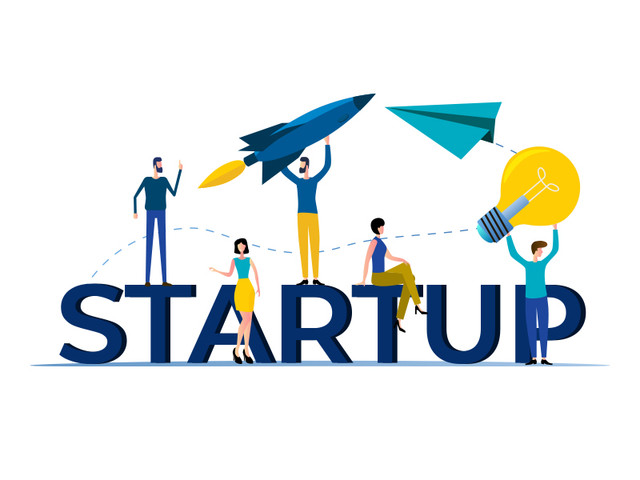
A startup is a new business created to solve a problem, serve a market, or offer a fresh idea in a practical way. It usually begins with a small team, limited resources, and a clear goal to grow over time.
Many people use the word startup when they mean a young company that is still developing its product, finding customers, and shaping its business model. A startup often moves through uncertainty, but that is also what makes it exciting and full of opportunity.
What a Startup Means
At its core, a startup is a newly launched business that is still in its early stage. It may be focused on a product, a service, or a digital solution, and it usually aims to grow faster than a traditional small business.
The idea behind a startup is simple: solve something important in a better way. That could mean saving time, reducing cost, improving convenience, or creating a completely new experience for customers.
Why Startups Matter
Startups play an important role in business because they often bring new ideas into the market. Many industries grow because small founders take a risk and build something different from what already exists.
They also create jobs, support innovation, and encourage competition. When a startup succeeds, it can become a strong company that influences how people shop, work, learn, or communicate.
How a Startup Begins
Every startup starts with an idea, but an idea alone is not enough. Founders usually test the idea first to see whether people actually need it and whether they are willing to pay for it.
A basic startup journey often includes:
-
Identifying a problem.
-
Creating a solution.
-
Testing the solution with real users.
-
Improving the offer based on feedback.
-
Building a plan for growth.
This process helps founders reduce risk before investing too much money or time.
Important Features
A startup often has a few common features that make it different from an established business. It usually works in a fast-changing environment and tries to grow quickly once the idea is proven.
Common features include:
-
A new or improved idea.
-
A small founding team.
-
Limited early-stage resources.
-
A focus on growth.
-
A willingness to adapt.
These features make the startup journey challenging, but they also make it flexible and dynamic.
Funding and Growth
Most startups need money to begin and expand. Some founders use personal savings, while others seek help from friends, family, investors, or business loans. In many cases, the goal is to raise enough support to develop the product and reach the first customers.
Growth is a major goal because a startup is usually built to expand over time. Once a business finds a working model, it may hire employees, improve marketing, and enter new markets.
Skills Founders Need
Starting a business is not only about having a good idea. Founders also need practical skills to manage the daily work and long-term planning.
Helpful skills include:
-
Problem-solving.
-
Communication.
-
Basic financial understanding.
-
Customer awareness.
-
Time management.
-
Adaptability.
These skills help a founder make better decisions and stay focused during busy or uncertain periods.
Challenges to Expect
A startup can be exciting, but it also comes with challenges. The early stage can be stressful because there may be limited money, unclear demand, and strong competition.
Some common challenges are:
-
Finding the right market.
-
Managing low budgets.
-
Hiring the right people.
-
Dealing with uncertainty.
-
Keeping customers interested.
Success usually comes from persistence, careful planning, and learning from mistakes instead of giving up too quickly.
Best Practices for Beginners
Anyone thinking about starting a business should begin with research and a realistic plan. A strong idea is useful, but understanding the customer is even more important.
Good startup habits include:
-
Start small and test early.
-
Listen carefully to customer feedback.
-
Keep costs under control.
-
Focus on one clear problem.
-
Track progress regularly.
-
Be ready to adjust the plan.
These steps make the journey more practical and improve the chance of long-term success.
Conclusion
A startup is more than a new business; it is a process of turning an idea into something useful, valuable, and scalable. It requires planning, patience, and the ability to learn quickly from real-world feedback.