

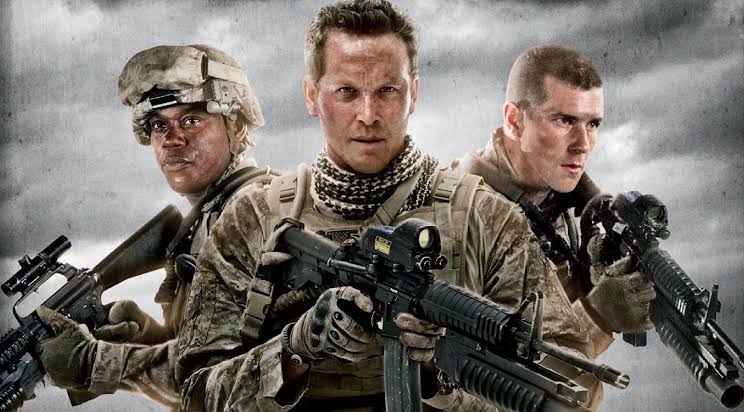
Jarhead is a term widely associated with the United States Marine Corps, military culture, and the experiences of soldiers serving under intense pressure. It is also the title of a well-known war film that offers a different perspective on military conflict. Rather than concentrating entirely on explosions, combat victories, and heroic battlefield moments, the story explores the emotional challenges of military service, the uncertainty of waiting for action, and the psychological effects of preparing for war. These themes make the subject particularly interesting for audiences who want to understand what happens to soldiers beyond the battlefield.
The film Jarhead, released in 2005, was directed by Sam Mendes and adapted from the memoir of former U.S. Marine Anthony Swofford. Set during the Gulf War in the early 1990s, it follows a young Marine sniper as he experiences military training, deployment, isolation, and the complicated realities of a conflict that does not unfold as he expects. The movie presents a grounded portrait of military life, showing how anticipation, frustration, loyalty, and fear can shape the experiences of young service members.
The subject remains relevant because audiences continue to explore films that examine the human consequences of war. Military stories can help viewers think about discipline, identity, friendship, and the relationship between expectations and reality. Understanding its historical setting, central characters, filmmaking approach, and major themes provides a clearer appreciation of why this war drama continues to attract attention.
What Does Jarhead Mean?
The word jarhead is an informal nickname associated with members of the United States Marine Corps. Its origin is commonly connected to the traditional appearance of Marine haircuts, which often feature closely shaved sides and a flat or squared-off shape. The exact historical development of the nickname is debated, and its meaning can vary depending on who uses it and in what context.
Within military culture, nicknames can become expressions of identity, belonging, and shared experience. Some Marines may use the word casually among themselves, while others may consider it disrespectful when outsiders use it without understanding its background. The meaning therefore depends on tone, relationship, and circumstances. In popular entertainment, the word has become especially recognizable because of the 2005 film, which connects the term with military life and the psychological demands of deployment.
The Story Behind the 2005 War Film
The 2005 film follows Anthony Swofford, a young Marine who joins the military and undergoes demanding training before being deployed to the Middle East during the Gulf War. As a sniper, he learns the technical skills, discipline, and teamwork required for his role. His experiences are shaped by his relationships with fellow Marines, particularly the friendships that develop as they confront the uncertainty of military service.
The narrative focuses on the distance between what soldiers imagine war will be like and what they actually experience. Swofford and his fellow Marines prepare themselves for combat, endure harsh environmental conditions, and remain alert to possible danger. Yet their deployment also involves long periods of waiting, uncertainty, and frustration. The lack of direct action becomes a source of tension because the soldiers have spent so much time preparing for a particular kind of experience.
This contrast gives the story its distinctive character. Instead of presenting war as a continuous sequence of dramatic battles, the film explores the mental strain created by anticipation. The soldiers must deal with boredom, homesickness, personal conflict, and the pressure to remain ready for an event that may or may not happen. Their experiences reveal how military service can be psychologically demanding even when combat is not taking place every day.
Historical Background: The Gulf War
The story takes place during the Gulf War, a conflict that began after Iraq invaded Kuwait in August 1990. An international coalition led by the United States launched military operations to expel Iraqi forces from Kuwait. The major combat phase of the coalition campaign began in January 1991, and a ceasefire followed in February.
This historical setting is essential to understanding the film. Coalition forces deployed large numbers of personnel to the region, where soldiers faced desert conditions, strict operational requirements, and the uncertainty associated with a major military campaign. Although military operations developed rapidly in some respects, individual service members could still experience extended periods of preparation and waiting.
The film emphasizes the personal experience of this environment rather than attempting to provide a complete history of the conflict. It does not cover every political decision, military operation, or civilian consequence. Instead, it narrows its focus to the people serving within the military system. This approach allows viewers to consider how large historical events affect individuals whose daily lives are shaped by orders, routines, relationships, and circumstances beyond their control.
Main Cast and Their Characters
The performances play an important role in making the story feel personal. Jake Gyllenhaal portrays Anthony Swofford, the central character whose perspective guides much of the narrative. His performance captures the frustration, uncertainty, dark humor, and emotional changes associated with the Marine’s experience. Rather than presenting Swofford as an uncomplicated action hero, the film shows him as a young person attempting to understand his place within a demanding institution.

Jamie Foxx plays Staff Sergeant Sykes, a senior Marine responsible for maintaining discipline and preparing his unit for operational duties. His character represents the authority and professional expectations that shape the soldiers’ daily lives. Peter Sarsgaard portrays Troy, a fellow Marine and sniper whose relationship with Swofford becomes an important part of the story. Their friendship illustrates the trust that develops between service members who depend on one another in difficult circumstances.
| Actor | Character | Role in the story |
|---|---|---|
| Jake Gyllenhaal | Anthony Swofford | The young Marine whose experiences shape the narrative |
| Jamie Foxx | Staff Sergeant Sykes | A senior Marine responsible for discipline and preparation |
| Peter Sarsgaard | Troy | Swofford’s fellow sniper and close companion |
| Lucas Black | Chris Kruger | A fellow Marine within the unit |
| Brian Geraghty | Fergus O’Donnell | A Marine whose experiences contribute to the group dynamic |
Together, the cast creates a believable picture of a military unit whose members respond differently to stress and uncertainty. Some rely on humor, others focus on duty, and some struggle to reconcile their expectations with their experiences. These differences make the characters more human and help the film avoid reducing military personnel to simple stereotypes.
The Psychological Side of Military Service
One of the most important themes in the film is the psychological pressure associated with preparing for combat. Military training teaches personnel to follow procedures, cooperate with others, and respond to potentially dangerous situations. However, technical preparation cannot eliminate every emotional challenge associated with deployment. Soldiers may still experience fear, frustration, isolation, and uncertainty, even when they are highly trained.
The Marines in the story are often caught between readiness and inactivity. They have prepared themselves for combat and expect their skills to be tested, yet circumstances frequently prevent them from experiencing the type of action they anticipated. This situation creates an unusual emotional conflict. The soldiers want to complete their mission and demonstrate their abilities, but the reality of military operations does not necessarily provide the experiences they imagined.
The film also suggests that identity can become closely connected to military expectations. When individuals spend months training for a specific purpose, they may begin to measure themselves through their ability to perform that role. If the expected opportunity never arrives, they can feel confused or disappointed. This does not mean that every soldier reacts in the same way, but it highlights a meaningful tension between personal expectations and the unpredictable nature of military service.
Brotherhood, Friendship, and Group Identity
Military friendships are another central element of the story. Service members often live and work in close proximity, sharing routines, responsibilities, and stressful experiences. These conditions can create strong relationships because individuals come to depend on one another for practical assistance and emotional support. The Marines in the film develop a shared identity that influences how they communicate, joke, argue, and respond to difficult circumstances.
Swofford’s relationship with Troy demonstrates the importance of trust within a military unit. Their connection is not based solely on friendship outside their professional duties. It is also shaped by their shared role as snipers and their understanding of the responsibilities associated with that work. Their interactions reveal how professional cooperation and personal attachment can become intertwined.
At the same time, the film does not portray brotherhood as an entirely simple or comfortable experience. Group loyalty can provide reassurance, but it can also create pressure to hide vulnerability or conform to accepted behavior. Soldiers may use humor and teasing to manage anxiety without openly discussing what troubles them. This mixture of closeness and emotional restraint gives the relationships a realistic quality and illustrates the complicated social environment of military life.
How the Film Portrays War Differently
Many popular war movies rely on continuous action, clear objectives, and dramatic moments of victory or defeat. This film takes a different approach by focusing on routine, waiting, and the emotional atmosphere surrounding deployment. The desert landscape, military camps, equipment, and repetitive daily activities become important parts of the storytelling. They establish a setting in which uncertainty can feel as significant as direct danger.
The absence of constant combat also challenges familiar expectations about war films. Viewers may anticipate a conventional battlefield narrative, but the movie spends considerable time examining what happens between major events. Soldiers clean equipment, interact with their peers, receive instructions, and attempt to manage their emotions. These scenes show that military life consists of many experiences that rarely appear in simplified portrayals of warfare.
The film’s approach is not a claim that the Gulf War involved no serious combat or that every Marine experienced deployment in the same way. Rather, it presents one particular perspective on a much larger historical event. By concentrating on a small group of characters, the story explores the gap between the public image of military heroism and the private experiences of those who serve.
Direction, Cinematography, and Sound
Director Sam Mendes uses visual composition and atmosphere to communicate the emotional state of the characters. Wide shots of the desert emphasize the vastness of the environment and the relative isolation of the Marines. Military camps and open landscapes can make the characters appear small within their surroundings, reinforcing the sense that their individual experiences are shaped by forces they cannot fully control.
Cinematography also helps distinguish the physical intensity of military training from the uncertainty of deployment. The desert environment appears both expansive and restrictive: there is enormous space around the soldiers, yet their movements and choices remain governed by military orders. This contrast supports the story’s broader themes of freedom, responsibility, and institutional control.
Sound and music contribute to the atmosphere without making every moment feel like a conventional action sequence. Period-appropriate cultural references, military sounds, dialogue, and carefully selected music help establish the film’s historical setting and emotional tone. These choices encourage viewers to consider the characters’ experiences rather than focusing exclusively on the mechanics of combat. The result is a film in which mood, silence, and visual detail carry much of the narrative weight.
Is Jarhead Based on a True Story?
The film is based on Anthony Swofford’s memoir, which describes his experiences as a Marine during the Gulf War. This connection gives the story a personal foundation and helps explain its emphasis on the daily realities of military service. The memoir provides the underlying perspective, while the film translates that perspective into a dramatic visual narrative.
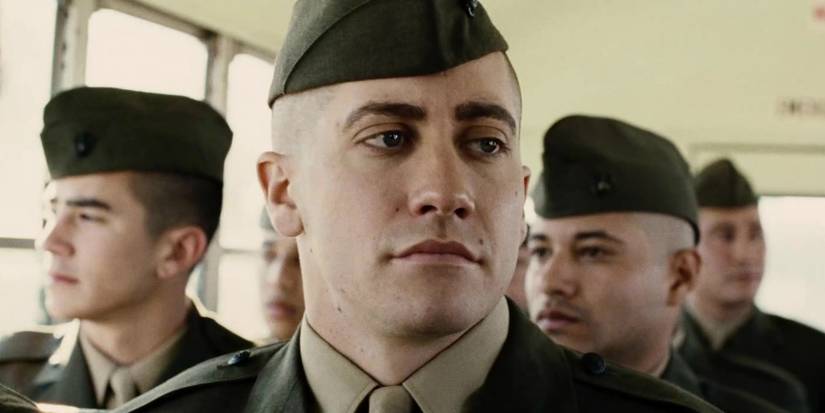
However, a film adapted from a memoir should not automatically be treated as a complete or perfectly literal record of historical events. Screenwriters and directors may rearrange incidents, compress timelines, combine elements, or adjust scenes to create a coherent cinematic experience. Individual memories can also reflect the perspective and circumstances of the person recalling them.
For viewers interested in military history, the distinction between memoir, adaptation, and independently documented events is important. The movie can serve as an introduction to the personal side of the Gulf War, but a broader understanding requires attention to the political background, military operations, and experiences of people beyond the central characters.
Why the Film Remains Relevant Today
The continuing interest in the film reflects a broader appetite for stories that examine the human consequences of conflict. Modern audiences often encounter military events through news reports, documentaries, online discussions, and entertainment. These formats provide different kinds of information, but personal narratives can help audiences understand the emotional dimensions that statistics and strategic summaries may not fully convey.
The film also raises questions about expectations, purpose, and identity that extend beyond military service. People in many professions prepare for important responsibilities without knowing exactly when or how their skills will be needed. They may struggle with uncertainty, frustration, or the feeling that their efforts have not produced the outcome they anticipated. The military setting makes these tensions particularly intense, but the underlying questions are widely recognizable.
For contemporary viewers, the movie can also encourage a more thoughtful understanding of veterans and active service members. Military experiences differ considerably according to role, location, historical period, and personal circumstances. Recognizing that diversity is important when discussing service and its effects. A single film cannot represent every person’s experience, but it can create an opportunity to reflect on the challenges that may accompany military life.
Who Should Watch This War Drama?
This film may appeal to viewers who enjoy character-driven dramas, military memoir adaptations, and stories that examine the psychological effects of conflict. It is particularly suitable for audiences who prefer a reflective approach to war rather than a narrative built entirely around combat scenes. Viewers interested in the Gulf War may also appreciate the opportunity to see how a historical event is represented through the perspective of an individual service member.
However, expectations matter. Those looking primarily for nonstop battlefield action may find the slower pace surprising. The movie places considerable emphasis on atmosphere, dialogue, personal relationships, and the frustration of waiting. Its dramatic impact comes from the tension between what the characters expect to experience and what their circumstances actually allow them to do.
Before watching, it is helpful to understand that the story includes mature themes, military language, violence, and emotionally difficult situations. Its treatment of war is often uncomfortable by design. Rather than offering a simple message about courage or victory, it invites viewers to think about the complicated relationship between military duty and personal experience.
Conclusion
Jarhead stands out as a war drama that explores military service through the experiences of individuals rather than focusing exclusively on combat and battlefield achievements. Its story follows Marines navigating training, deployment, friendship, uncertainty, and the psychological pressure associated with preparing for war. Through its performances, direction, and historical setting, the film presents a more complicated picture of military life than conventional action-focused narratives often provide.
Its lasting value lies in its attention to the moments that occur between major events. Waiting, routine, humor, frustration, and personal relationships become essential parts of the story, showing that the experience of war cannot be understood through combat scenes alone. The film also reminds viewers that memoir adaptations offer particular perspectives rather than universal accounts of military service.