

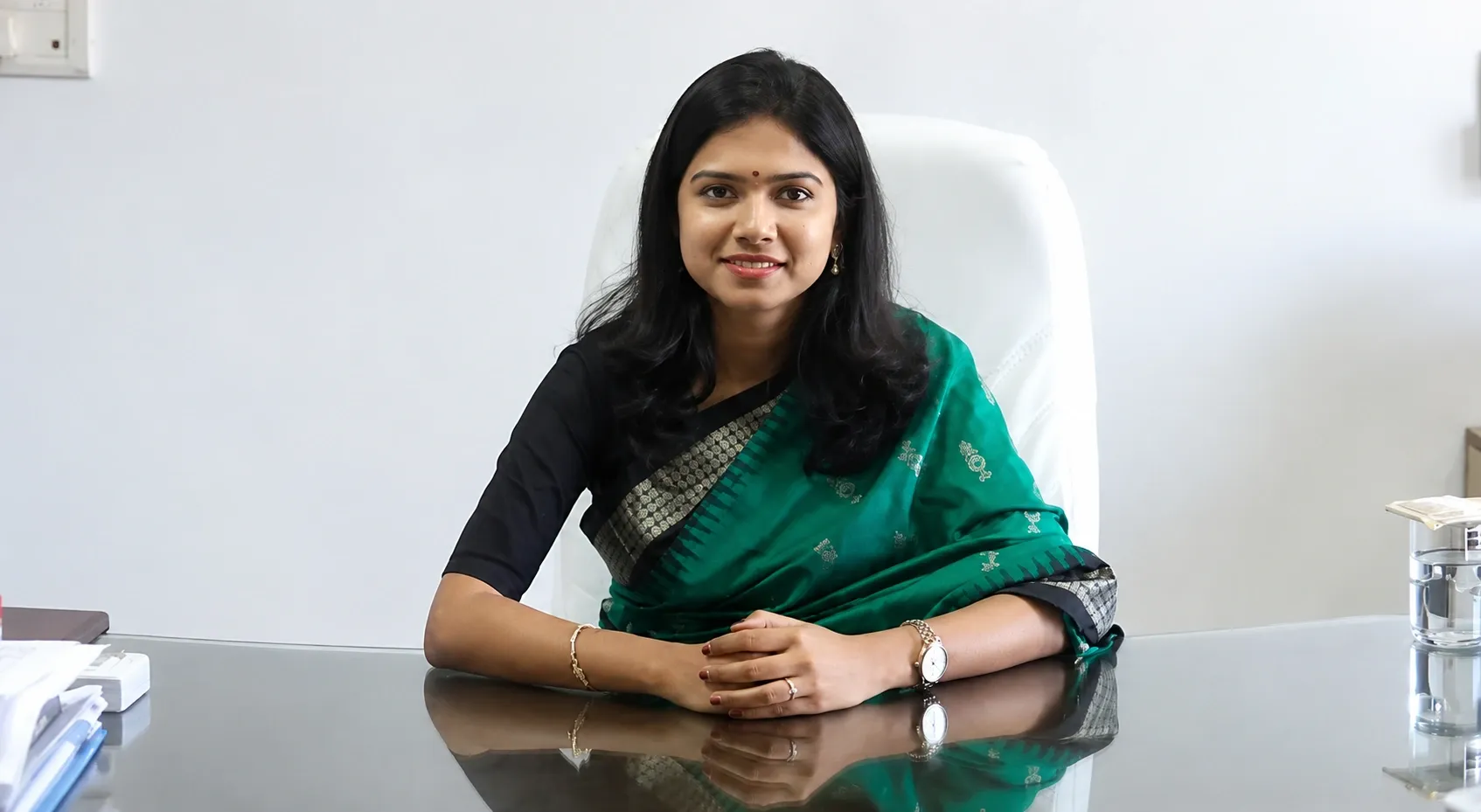
The Indian Administrative Service (IAS) is one of the most respected career paths in India. Every year, thousands of candidates prepare for the UPSC Civil Services Examination with the ambition of becoming administrative officers and contributing to the country’s development. Among the officers who have attracted public attention through their academic achievements and professional journey is Ananya Das, an IAS officer known for securing an impressive position in the Civil Services Examination and serving in different administrative responsibilities.
The professional journey of Ananya Das IAS is particularly interesting for students preparing for competitive examinations because it demonstrates how academic knowledge, career decisions and determination can open opportunities in public administration. Her selection in the UPSC examination, educational background and subsequent government assignments provide useful insights into the responsibilities associated with the civil services. Her administrative experience also highlights the importance of understanding local challenges while working within government institutions.
This article explores her educational qualifications, UPSC achievement, professional background, administrative journey and public responsibilities. It also discusses the importance of her career from the perspective of aspiring civil servants and readers interested in India’s administrative system.
Who Is Ananya Das IAS?
Ananya Das is an Indian Administrative Service officer belonging to the 2015 batch of the Odisha cadre. She entered the service through direct recruitment after clearing the UPSC Civil Services Examination. Her professional profile is associated with administrative assignments in Gujarat and Odisha, where she has worked in different areas of public administration.
She became widely recognised among UPSC aspirants after securing All India Rank 16 in the 2014 Civil Services Examination. Her achievement attracted attention because of the competitive nature of the examination and the preparation required to reach the final merit list. Her academic background in engineering and economics also reflects an interdisciplinary approach that can be useful in understanding administrative and development-related issues.
The following table presents some important publicly reported details about her professional background.
| Particular | Details |
|---|---|
| Name | Ananya Das |
| Profession | Indian Administrative Service Officer |
| UPSC Examination | Civil Services Examination 2014 |
| All India Rank | 16 |
| IAS Batch | 2015 |
| Cadre | Odisha |
| Educational Background | Computer Science Engineering and Economics |
| Institution | BITS Pilani |
| Home State recorded in service records | Assam |
These details provide an overview of her professional identity. Administrative postings can change through government transfer orders, so the latest official government records should be considered when checking her present designation.
Educational Background and Academic Achievements
Engineering Education at BITS Pilani
Ananya Das pursued engineering education at the Birla Institute of Technology and Science (BITS), Pilani. Her academic qualification includes a Bachelor of Engineering degree in Computer Science. Studying computer science involves developing analytical thinking, understanding complex systems and learning how technology can solve practical problems.
Engineering education can also provide useful skills for administrative work. Government departments increasingly depend on digital platforms, databases, technology-enabled services and data-driven planning. An understanding of technical systems can help administrators evaluate projects, identify operational challenges and communicate effectively with professionals working in specialised departments.
Postgraduate Studies in Economics
After completing her engineering education, she also pursued postgraduate studies in economics. This combination of technical and economic knowledge represents an interesting academic foundation for someone entering public administration.
Economics is closely connected with government planning, financial management, employment, poverty reduction and public welfare. Administrative officers frequently deal with decisions involving limited resources and competing development priorities. Knowledge of economic principles can therefore help them understand the broader implications of government policies.
Her educational journey also offers an important lesson to UPSC aspirants. A candidate does not necessarily need an academic background in political science, history or public administration to succeed in the Civil Services Examination. Students from engineering, medicine, commerce, science and other disciplines can prepare effectively with a structured approach.
UPSC Success and All India Rank 16
One of the most significant achievements in her professional journey was securing All India Rank 16 in the UPSC Civil Services Examination 2014. The result was reported in July 2015 and brought attention to her achievement in Rajasthan as well as nationally.
The Civil Services Examination is conducted through three major stages: the Preliminary Examination, the Main Examination and the Personality Test. Each stage evaluates different abilities, including conceptual understanding, analytical writing, awareness of current affairs and decision-making skills.
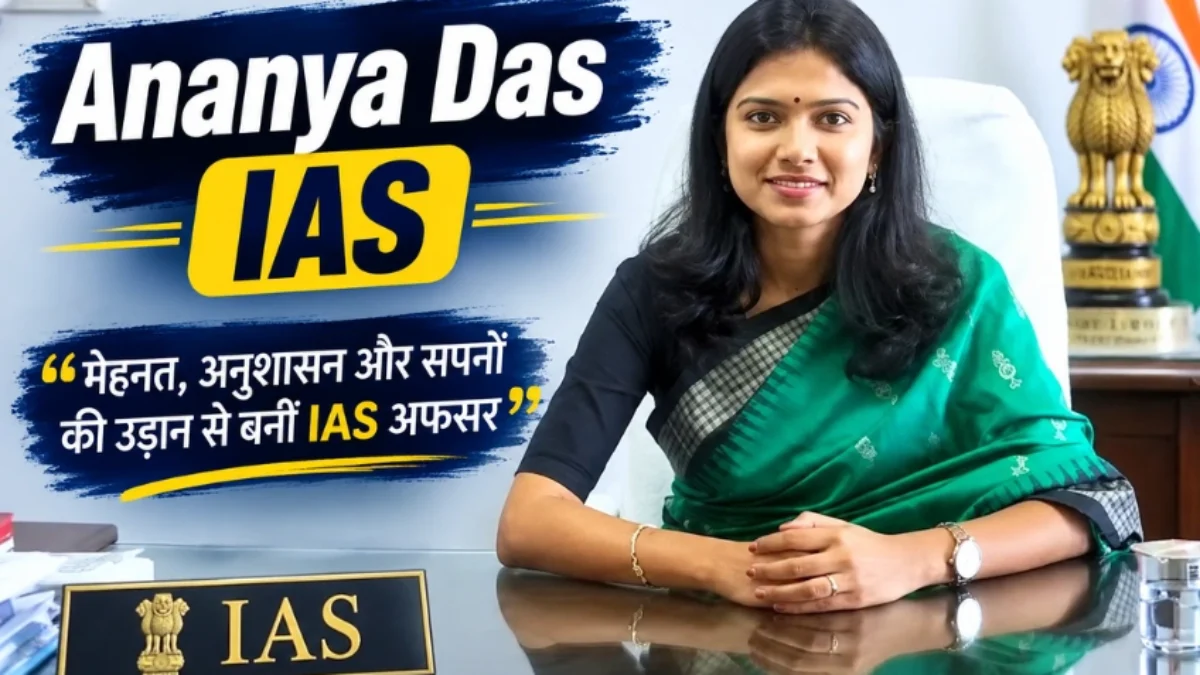
Securing a position among the highest-ranked candidates requires more than memorising information. Aspirants must develop the ability to connect theoretical knowledge with real-world situations. They also need to understand constitutional principles, government policies, social issues and international developments.
Her UPSC result is particularly relevant for candidates who are unsure whether their educational background will support their preparation. It illustrates that technical education and economics can provide a useful foundation, provided candidates develop the subject knowledge and examination skills required by UPSC.
What Makes Her UPSC Achievement Important?
Her examination success offers several lessons for future civil servants:
- Academic diversity: Students from technical disciplines can also pursue administrative careers.
- Consistent preparation: Long-term preparation requires discipline and a realistic study schedule.
- Analytical thinking: Understanding problems is more valuable than simply memorising facts.
- Public service motivation: A career in administration involves responsibilities beyond personal achievement.
These lessons are relevant to candidates preparing for both their first attempt and subsequent attempts.
Professional Career and Administrative Journey
After joining the IAS, Ananya Das began her professional journey through administrative assignments that provided experience in government functioning. The early years of an IAS career generally involve learning how departments operate, understanding public grievances and implementing government decisions at the field level.
Her documented career includes assignments in Gujarat before she moved to the Odisha cadre. Such administrative experience can expose officers to different governance environments, regional development priorities and institutional practices. Working across different locations also requires adaptability, communication skills and the ability to understand local communities.
Ananya Das IAS subsequently served in important positions in Odisha, including responsibilities associated with municipal administration and district governance. These assignments represent two important dimensions of public administration. Municipal governance focuses on urban infrastructure and civic services, whereas district administration involves coordinating multiple departments to address wider development and public welfare requirements.
Her career progression demonstrates how civil servants can contribute to different areas of government while developing practical administrative experience.
Major Administrative Postings
Commissioner of Cuttack Municipal Corporation
One of the notable assignments in her career was serving as Commissioner of Cuttack Municipal Corporation. Municipal corporations play a major role in managing urban areas and maintaining essential public services.
A municipal commissioner is responsible for coordinating administrative operations, monitoring civic projects and ensuring that public services function effectively. The responsibilities may include sanitation, waste management, urban infrastructure, public health initiatives, road maintenance and revenue administration.
Cuttack is an important urban centre in Odisha with a distinctive historical and commercial identity. Managing a city requires coordination between government departments, elected representatives, technical teams and residents. Municipal administrators must also consider long-term urban planning while responding to everyday public complaints.
This assignment illustrates the complexity of urban governance and the importance of making local institutions more responsive to citizens.
Collector and District Magistrate of Sambalpur
Another important responsibility associated with her career was serving as Collector and District Magistrate of Sambalpur in Odisha.
The District Collector occupies a significant position in India’s administrative structure. The office involves coordinating government departments, monitoring development programmes, managing revenue administration and supporting the implementation of public welfare initiatives.
The District Magistrate also performs important responsibilities relating to public order and coordination with law enforcement agencies. During emergencies, natural disasters or other challenging situations, district-level administration becomes especially important because it connects government decisions with immediate public needs.
Sambalpur has agricultural, commercial and industrial significance within Odisha. Its administration requires attention to infrastructure, education, healthcare, rural development and public service delivery. A district administrator must understand these interconnected priorities rather than treating each department as an independent unit.
The experience gained through district administration is valuable because it provides direct exposure to the challenges faced by ordinary citizens.
Work in Education Administration
Responsibilities at OSEPA
Her professional profile also includes an important assignment connected with the Odisha School Education Programme Authority (OSEPA), where she has served as State Project Director.
Education administration is an important part of India’s development framework. Government institutions must work continuously to improve school infrastructure, student participation, teacher support and the overall quality of learning.
OSEPA is associated with the implementation and monitoring of school education programmes in Odisha. Its work involves coordination between government departments, schools, educational institutions and other stakeholders.
An administrative position in this area requires an understanding of both policy and implementation. Announcing an educational programme is only the first step. Its success depends on whether schools receive the necessary resources, teachers have appropriate support and students can benefit from the intended facilities.
Technology, data collection and regular monitoring have become increasingly important in modern education administration. Government officials can use reliable information to identify attendance problems, understand learning gaps and improve the distribution of resources.
Understanding the Responsibilities of an IAS Officer
The work of an IAS officer is not limited to holding a particular designation. Administrative responsibilities can change depending on the department, location and requirements of the government. However, the broader objective remains the effective implementation of public policies and the delivery of services to citizens.
An officer working in a district may focus on revenue matters, development programmes and interdepartmental coordination. A municipal commissioner may concentrate on urban infrastructure and essential civic services. An officer working in education administration may be involved in school improvement, programme monitoring and institutional coordination.
These responsibilities require a combination of leadership, communication, planning and problem-solving abilities. Administrators must also understand government rules and maintain transparency while making decisions.
The professional journey of Ananya Das IAS provides an example of how an officer can gain experience in different administrative environments. Such exposure is important because public administration involves constantly changing challenges and requires practical knowledge across multiple sectors.
Lessons for UPSC Aspirants
For students preparing for the Civil Services Examination, successful officers can provide useful examples of career possibilities. However, it is important to understand that every candidate has a different educational background, preparation strategy and learning style.
Her academic journey demonstrates that students should focus on developing a strong understanding of subjects rather than assuming that only graduates from particular disciplines can become IAS officers.
Another important lesson is the value of analytical ability. UPSC questions frequently require candidates to examine issues from multiple perspectives. Knowledge of technology, economics, social development and governance can help students build a broader understanding of national and international issues.
Aspirants can consider the following preparation principles:
- Understand the syllabus: Read the official UPSC syllabus carefully before selecting study materials.
- Build strong fundamentals: Develop a clear understanding of basic concepts before moving to advanced topics.
- Follow current affairs: Connect important national developments with relevant subjects in the syllabus.
- Practice answer writing: Improve clarity, structure and analytical depth through regular practice.
- Revise consistently: Repeated revision helps improve retention and examination performance.
Preparation should also include mock tests, previous-year question papers and a realistic timetable. Instead of comparing daily study hours with other candidates, aspirants should evaluate their own progress and identify areas that need improvement.
Public Administration in the Modern Indian Context
The responsibilities of civil servants are changing as India becomes increasingly connected through digital technology and modern infrastructure. Government departments are adopting online platforms, electronic records and data-based monitoring systems to improve service delivery.
At the same time, administrators must ensure that technology does not exclude citizens who have limited internet access or low digital literacy. Effective governance requires a balance between innovation and accessibility.
Education, urban development, public health, rural infrastructure and environmental management are among the areas that need continuous administrative attention. Officers working in these sectors must understand local requirements while implementing broader government policies.
The different assignments associated with Ananya Das IAS demonstrate the variety of responsibilities that can be part of an administrative career. Experience in municipal governance, district administration and education-related institutions provides an understanding of how government systems operate at different levels.
Why Her Career Attracts Public Interest
The interest surrounding her professional journey can be understood through several factors. Her high UPSC rank, multidisciplinary academic background and administrative responsibilities make her career relevant to students and readers interested in public service.
For UPSC candidates, her achievement represents an example of how individuals from technical backgrounds can enter the civil services. For general readers, her postings provide an opportunity to understand the responsibilities of administrative officers and the importance of government institutions.
It is also useful to distinguish verified professional information from personal speculation. Publicly available administrative records provide reliable details about service history, cadre and official responsibilities. Personal claims circulated through social media or entertainment-oriented websites should not automatically be treated as established facts.
Understanding this distinction helps readers develop a more accurate picture of public officials and their professional contributions.
Conclusion
Ananya Das’s journey in the Indian Administrative Service reflects the opportunities available to individuals who combine academic preparation with a commitment to public administration. From her educational background at BITS Pilani to securing All India Rank 16 in the UPSC Civil Services Examination, her early achievements demonstrate the importance of knowledge, analytical ability and determination.
Her subsequent assignments in Gujarat and Odisha, including municipal administration, district governance and education-related responsibilities, highlight the diverse nature of an IAS career. Each administrative position involves different challenges and requires the ability to work with institutions, government departments and local communities.
For aspiring civil servants, the professional journey of Ananya Das IAS offers an important reminder that success in the UPSC examination is only the beginning. The larger responsibility lies in applying knowledge, making informed decisions and contributing to effective public service. Her career remains a useful subject for understanding the opportunities, responsibilities and practical challenges associated with India’s administrative system.