

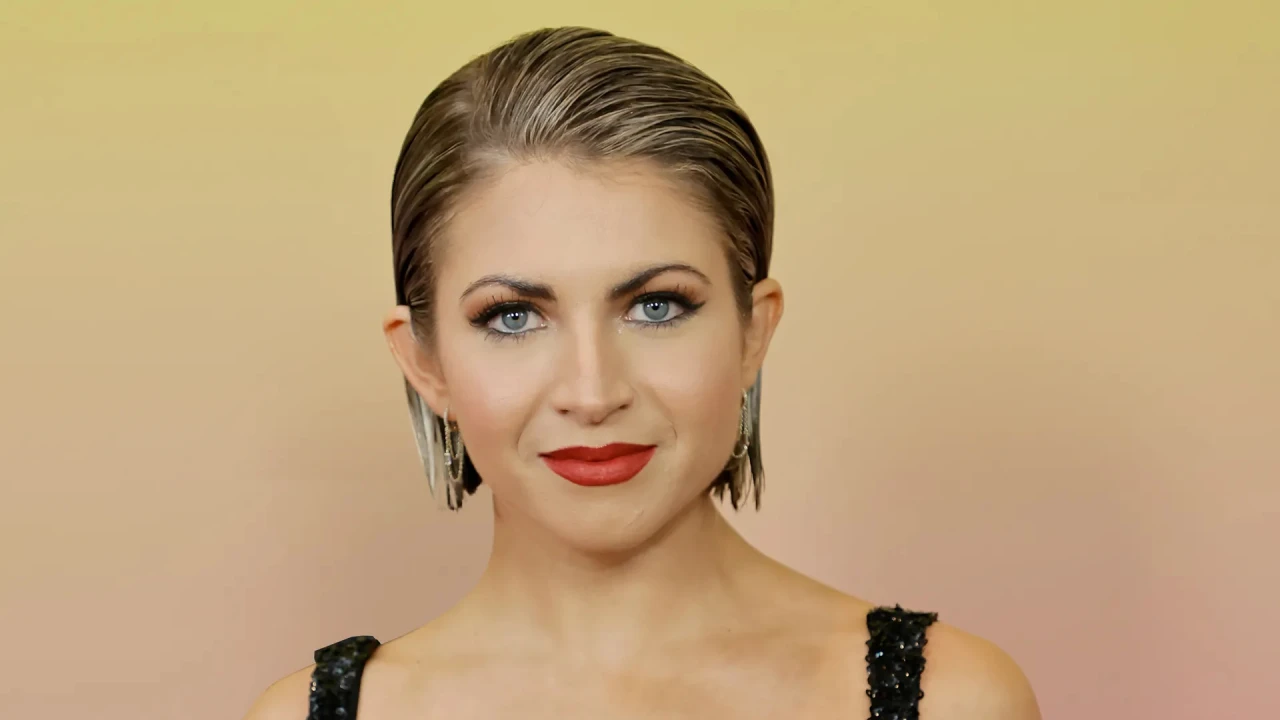
Miranda Derrick is an American dancer, social media personality, and entertainer who became widely recognized for her dance performances and her involvement in the competitive world of online entertainment. Her journey reflects how talent, digital platforms, and personal experiences can combine to shape a public identity. While many people initially discovered her through dance videos and entertainment projects, broader public attention eventually focused on her personal life and the discussions surrounding her experiences in the entertainment industry.
The story of Miranda Derrick is particularly interesting because it extends beyond choreography and social media popularity. Her public journey highlights the opportunities available to dancers in the digital age, where performers can reach audiences around the world without depending entirely on traditional television or film productions. At the same time, her experiences demonstrate how quickly a performer’s private circumstances can become a subject of public conversation. Understanding her background requires looking at her professional development, relationships, online presence, and the wider context of the discussions associated with her name.
Early Life and Passion for Dance
Miranda Derrick was born Miranda Wilking on February 24, 1997. She grew up in Michigan, where dance became an important part of her life from an early age. Alongside her younger sister, Melanie Wilking, she developed her skills through training, practice, and performances. Their shared interest in dance eventually became more than a family hobby, creating opportunities to build a recognizable identity as performers. Their upbringing and early experiences helped establish the foundation for a career that would later reach audiences far beyond their hometown.
Dance requires more than the ability to memorize steps. It involves rhythm, body control, musical interpretation, confidence, and the discipline to practice repeatedly. These qualities are especially important for performers who want to stand out in a crowded entertainment industry. Miranda’s early commitment to dancing helped her transition from performing in traditional settings to creating content for digital audiences. Her background also illustrates how young performers can turn a long-standing interest into a professional opportunity when they combine technical ability with an understanding of changing entertainment trends.
The Rise of the Wilking Sisters
One of the most important chapters in Miranda’s career was her collaboration with Melanie through the Wilking Sisters brand. The sisters shared dance routines, short performances, and entertaining videos that attracted viewers on social media. Their content benefited from the growing popularity of short-form video, where choreography, recognizable music, expressive movements, and relatable personalities can quickly capture attention. By appearing together, they created a distinctive style that encouraged viewers to follow their work and return for new performances.
The sisters’ popularity demonstrated the value of collaboration in digital entertainment. When two performers share a strong creative connection, their videos can offer more than technical dance ability; they can also communicate personality, familiarity, and a sense of shared history. Their growing audience opened doors to professional opportunities and helped them develop an online identity beyond their immediate community. However, building a career around a shared account can also introduce challenges involving individual ambitions, ownership, creative decisions, and personal boundaries. These issues became especially relevant as their professional lives began moving in different directions.
Professional Dance Career and Entertainment Work
Miranda expanded her experience beyond social media by pursuing professional dance opportunities. Working as a dancer can involve auditions, rehearsals, live performances, music videos, commercial productions, and appearances connected to film and television. Each environment demands a slightly different combination of skills. Live performances require adaptability and stage presence, while filmed productions often involve repeated takes, precise choreography, and the ability to follow a director’s instructions. Building a sustainable career generally requires both artistic ability and professional reliability.
Her screen credits include appearances connected to the entertainment industry, including the 2024 film Road House. This kind of work demonstrates how social media visibility and conventional entertainment opportunities can overlap. A performer who has already developed camera awareness and movement skills may find those abilities useful in music videos, promotional productions, and film projects. Nevertheless, online popularity does not automatically guarantee long-term success. Dancers must continue developing their technique, adapting to new creative demands, and finding opportunities that suit their individual strengths.
How Social Media Changed Her Career
Short-form video platforms have significantly changed how dancers reach audiences. In the past, a performer might have needed an agent, a casting opportunity, or a television appearance to gain widespread recognition. Today, an engaging dance routine can reach thousands or even millions of viewers through recommendations and sharing. This shift has created new opportunities for independent performers, while also increasing competition and making audience attention less predictable.
For Miranda, social media became a central part of her public identity. Dance videos allowed her to present her skills directly to viewers rather than relying exclusively on traditional entertainment channels. The format also made it possible to experiment with different routines, collaborate with other performers, and build familiarity with an audience over time. At the same time, a digital career requires careful management of privacy, reputation, contracts, and online interactions. These responsibilities can become particularly demanding when professional decisions attract intense public scrutiny.
Marriage and Personal Life
Miranda married dancer James Derrick, who is widely known by his performance name, BDash. Their relationship is connected to their shared professional interests, particularly dance and entertainment. Collaborating with a partner who understands the demands of rehearsals, filming, and public performance can create opportunities for joint projects. It can also mean that personal and professional lives become closely connected, making it important for both people to maintain clear boundaries between their work and their private relationship.

Public curiosity about their marriage increased as discussions surrounding Miranda’s career became more prominent. However, it is important to distinguish confirmed information from speculation about a couple’s private circumstances. Public appearances, online posts, and statements can provide limited insight into a relationship, but they do not reveal everything happening behind the scenes. Respectful coverage should focus on established information rather than making assumptions about private conversations, motivations, or decisions that the couple has not publicly confirmed.
The 7M Films Controversy and Netflix Documentary
A major turning point in Miranda’s public story came with the Netflix documentary series Dancing for the Devil: The 7M TikTok Cult, released in May 2024. The three-part series examines dancers associated with 7M Films, a Los Angeles-based talent management company founded by Robert Shinn, who also leads Shekinah Church. It explores allegations made by family members and former participants about the company’s environment, religious involvement, and the influence exerted over dancers’ personal and professional lives.
Miranda became a central figure because her family expressed concern about changes in their relationship after she became involved with the company and its associated religious community. Her parents and sister described their concerns in the documentary, raising questions about family estrangement, independence, and the difficulties of communicating when relatives strongly disagree about important life choices. These accounts attracted widespread attention, but the allegations presented in a documentary should not automatically be treated as proven facts. The series documents particular perspectives and experiences; it does not, by itself, establish the truth of every disputed claim.
Miranda Derrick’s Response to the Allegations
Miranda publicly disputed the documentary’s portrayal of her life. In a statement released in June 2024, she said she was not a victim and rejected the suggestion that she was being abused or held against her will. She also explained that she could not address certain specific allegations in detail because of pending legal proceedings. Her response presented a substantially different account from the concerns expressed by members of her family in the series.
The disagreement illustrates why complicated personal stories should be approached with care. Family members can sincerely believe that someone they love is in danger, while the person at the center of those concerns may feel that their independence and decisions are being misrepresented. Neither emotional concern nor a public denial should be treated as a complete substitute for evidence. A balanced understanding requires separating direct statements, documented events, allegations, and conclusions that remain unverified. It also means recognizing that an individual has the right to make personal choices, while questions about possible coercion or exploitation deserve serious consideration when supported by credible evidence.
Family Relationships and Public Attention
The relationship between Miranda and her sister Melanie became one of the most emotional aspects of the documentary. Their earlier collaboration had made them familiar to a large online audience, so reports of family tension prompted viewers to revisit their older videos and compare them with later developments. For many people, the story raised questions about what happens when siblings who once shared a creative career begin making different decisions about work, relationships, and personal beliefs.
Family disagreements can be difficult even without the added pressure of public attention. When a private conflict becomes the subject of a widely viewed documentary, ordinary attempts at communication may become more complicated because every statement can be interpreted by strangers. Miranda’s situation demonstrates how social media can turn personal relationships into public narratives, often leaving little room for nuance. Although there have been reports of interactions between family members, the complete state of their relationships cannot be determined solely from occasional public appearances or online activity.
Online Harassment and the Impact of Fame
Following the documentary’s release, Miranda said that she and her husband had experienced threatening messages, harassment, and concerns about their safety. Her statements brought attention to a difficult aspect of internet culture: the difference between expressing concern and targeting someone personally. Viewers may feel emotionally invested in a story, especially when it involves family relationships or allegations of exploitation, but that interest does not justify threats, stalking, or attempts to intimidate the people involved.
Online harassment can affect a person’s professional opportunities, mental well-being, and willingness to communicate publicly. It can also make it harder for audiences to distinguish genuine information from rumors created to attract attention. Responsible engagement means considering the available evidence, avoiding the spread of unverified claims, and respecting personal boundaries. Miranda’s experience highlights why public figures should be evaluated through their documented actions and statements rather than through online campaigns designed to pressure them into responding.
Where Is Miranda Derrick Now?
Interest in Miranda’s current circumstances has continued beyond the documentary’s original release. However, the available public information does not establish every aspect of her present professional or personal situation. Reports published in August 2025 indicated that she and James had removed or cleared their Instagram and TikTok accounts. That development reduced their visibility on those platforms, but it does not establish why the accounts changed or what their current private circumstances might be.
As of October 2026, her exact current location and her present relationship with 7M Films or Shekinah Church are not reliably confirmed by the public information available for this article. It would therefore be misleading to state definitively that she has left either organization, remains involved with it, or has reconciled with every family member. Changes in online activity can have many explanations, and the absence of public updates should not be interpreted as evidence of a particular event. The most responsible approach is to distinguish confirmed historical information from unanswered questions about her life today.
Key Facts About Miranda Derrick
The following table summarizes the main publicly established details about her background and career.
| Category | Details |
|---|---|
| Full name | Miranda Derrick |
| Birth name | Miranda Wilking |
| Date of birth | February 24, 1997 |
| Profession | Dancer, social media personality, entertainer |
| Sister | Melanie Wilking |
| Husband | James Derrick, known as BDash |
| Notable documentary | Dancing for the Devil: The 7M TikTok Cult |
| Film credit | Road House (2024) |
| Main public platforms | TikTok and Instagram; recent account status has been reported as changed |
These details provide a useful starting point for understanding her public profile, but they do not tell the whole story. A person’s professional background, family relationships, and public controversies are different parts of their life, and each should be considered within its proper context.
Why Her Story Matters in the Digital Entertainment Industry
Miranda’s public journey reflects a wider transformation in entertainment. Social media has allowed dancers, musicians, comedians, and other creative professionals to build audiences without following the traditional route through established studios and agencies. This development can give performers greater visibility and new income opportunities, but it also introduces complicated questions about management agreements, personal independence, audience expectations, and the responsibilities of companies working with young talent.
Her story also illustrates the importance of maintaining boundaries between public content and private life. An entertainer may choose to share dance routines, professional milestones, and selected personal moments without agreeing to make every relationship or decision available for public examination. Audiences can support their favorite performers while acknowledging those boundaries. For aspiring dancers, another important lesson is the value of understanding contracts, seeking independent advice when necessary, and making informed decisions about professional commitments.
The documentary controversy also shows why media literacy matters. Viewers should consider who is speaking, what evidence is presented, whether the people involved have responded, and which conclusions remain uncertain. This approach is useful not only for entertainment news but also for stories about influencers, businesses, public figures, and online communities. A compelling narrative can encourage important discussion, but responsible judgment requires more than accepting the first explanation encountered.
Conclusion
Miranda Derrick’s life in the public eye combines a genuine dance career, the growth of social media fame, a marriage to fellow dancer James Derrick, and a highly publicized controversy surrounding 7M Films and Shekinah Church. Her early collaboration with Melanie Wilking helped introduce her to a broad audience, while her subsequent professional work demonstrated how digital popularity can connect with opportunities in mainstream entertainment.
The Netflix documentary brought competing accounts of family relationships and alleged organizational influence to a much larger audience. Miranda disputed its portrayal and expressed concerns about the harassment that followed its release. Those differences deserve careful consideration without treating allegations as established facts or dismissing personal statements without reason.
Ultimately, understanding Miranda Derrick requires looking beyond headlines and online speculation. Her career demonstrates both the opportunities and the pressures of digital fame, while the controversy surrounding her story highlights the importance of privacy, independent decision-making, and responsible media coverage. Her latest circumstances remain partly uncertain, making accuracy and respect especially important when discussing what happens next in her public journey.