

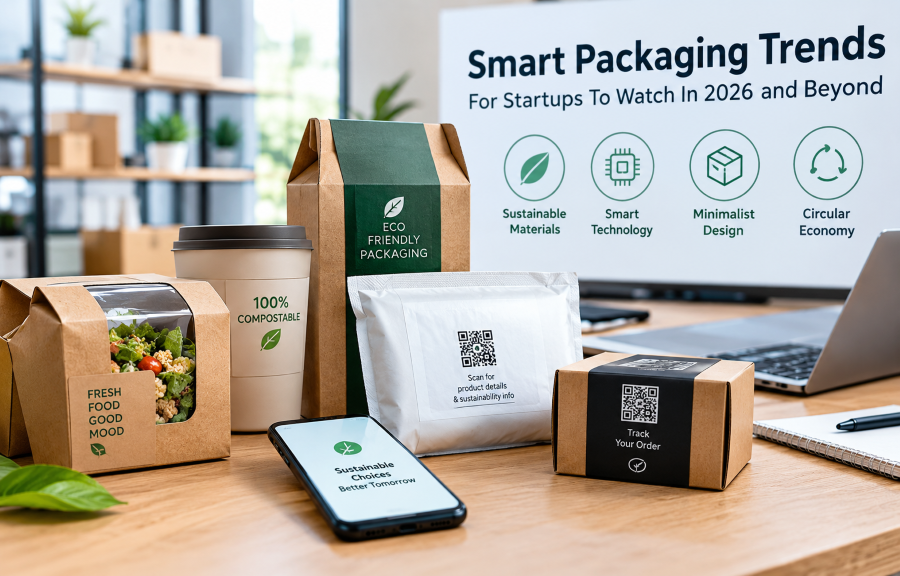
Product packaging has become an important part of building a recognizable brand in today’s competitive marketplace. Customers often notice packaging before they experience the product itself, making its appearance, functionality, and quality essential to the buying decision. Whether a company sells skincare products, food items, clothing, electronics, or handmade goods, packaging can communicate its personality and values within seconds. Businesses are increasingly treating packaging as part of the overall customer experience rather than simply a protective covering for their products.
For a startup, packaging decisions can influence customer perception, repeat purchases, social media engagement, and operational expenses. Consumers are also paying greater attention to sustainability, convenience, product safety, and transparency. At the same time, online shopping has made packaging more visible because customers frequently share unboxing experiences through videos, reviews, and photographs. These changes are encouraging businesses to explore creative designs that combine visual appeal with practical value. Understanding current packaging trends can help emerging brands make informed decisions and develop a consistent identity without spending beyond their budgets.
1. Minimalist Packaging for a Modern Brand Identity
Minimalist packaging continues to attract attention because it communicates simplicity, clarity, and confidence. Instead of filling every available space with graphics, promotional messages, and decorative elements, businesses can focus on a clean layout, carefully selected colors, readable typography, and a recognizable logo. This approach helps customers understand the product quickly while creating a consistent appearance across different product categories. Minimalism does not necessarily mean plain or inexpensive packaging. High-quality printing, thoughtful spacing, subtle textures, and well-chosen materials can make a simple design feel sophisticated.
For example, a skincare brand might use neutral-colored containers with clear product names and concise ingredient information. A specialty coffee company could choose kraft paper packaging with a distinctive label and a single accent color. Both approaches establish a visual identity without overwhelming customers. A startup can also extend the same design system across shipping boxes, product labels, inserts, and retail displays. Consistency makes it easier for customers to recognize the brand, particularly when products appear on crowded online marketplaces or retail shelves.
Choosing Colors and Typography Carefully
Color influences how customers interpret a product, although its meaning can vary across cultures and industries. Green may suggest nature or sustainability, while black can communicate sophistication in some premium categories. Bright colors may suit children’s products, creative supplies, or energetic lifestyle brands. Typography also matters because customers should be able to read product names, instructions, and essential information without difficulty.
The most effective design begins with the intended audience rather than following a popular aesthetic without considering its relevance. Before approving a design, businesses should examine how it appears in product photographs, under retail lighting, and at different screen sizes. A visually attractive package that makes important information difficult to read can create confusion and reduce trust.
2. Sustainable Materials and Environmentally Conscious Design
Environmental considerations are becoming a significant part of packaging decisions. Customers increasingly encounter claims about recyclable paper, reusable containers, compostable materials, and reduced plastic consumption. However, responsible packaging involves more than adding a green label or choosing a material described as environmentally friendly. Businesses should consider the entire packaging system, including material sourcing, manufacturing, transportation, durability, and disposal options available to their customers.
Paper-based mailers, recycled cardboard, lightweight packaging, and reusable containers may suit different products and distribution methods. For example, a clothing business could replace oversized shipping boxes with appropriately sized recycled-paper mailers, while a cosmetics brand might investigate refillable containers. Food businesses need to pay particular attention to moisture resistance, hygiene, and shelf life because unsuitable materials can cause spoilage or product damage. The objective is to reduce unnecessary material use while maintaining product quality and safety.
Avoiding Misleading Sustainability Claims
Environmental messaging should be specific, accurate, and supported by evidence. A package described as recyclable may not be accepted by every local recycling system, while compostable materials may require particular industrial facilities. Businesses should explain relevant disposal requirements rather than assuming customers understand them. They should also avoid claiming that packaging is completely sustainable when only one component has an environmental benefit.
Practical improvements can begin with a packaging audit. Companies can identify excessive layers, unnecessary plastic components, empty space in shipping cartons, and materials that customers struggle to separate for disposal. These findings can guide gradual improvements without requiring a complete redesign. For a startup, measurable changes and honest communication can be more credible than broad environmental promises.
3. Personalized Packaging That Creates Customer Connections
Personalization gives packaging a more individual feel and can help businesses establish emotional connections with customers. Simple touches, such as a personalized thank-you note, a message printed inside a box, or packaging tailored to a particular product category, can make an order feel more thoughtful. These details are especially useful for gift products, handmade goods, subscription services, and direct-to-consumer businesses that want to distinguish themselves from larger competitors.

Personalization does not always require expensive printing equipment or individually manufactured boxes. A company can use branded stickers, interchangeable labels, printed cards, or small variations in packaging inserts. For instance, a candle brand could include a short description of the fragrance and suggestions for creating a relaxing atmosphere. A stationery business might add a message encouraging customers to use their products for journaling or creative planning. Such details provide relevant information while reinforcing the brand’s personality.
Digital printing can also make limited packaging runs more practical for businesses that need different designs for seasonal promotions or product launches. Nevertheless, personalization should remain manageable. Excessive variations can increase inventory complexity, slow down order fulfillment, and create unnecessary costs. Businesses should begin with a few meaningful options and evaluate customer responses before expanding their packaging range.
4. Smart Packaging and Technology-Driven Experiences
Technology is creating new opportunities for packaging to provide information beyond what can fit on a printed label. QR codes, digital product guides, authentication features, and interactive content can connect physical products with useful online experiences. Customers may scan a code to read detailed instructions, explore ingredients, register a product, or learn how to recycle the packaging. These features can be particularly valuable when products require education or when customers need additional information after purchase.
For example, an electronics brand could use a QR code to provide setup instructions and troubleshooting guidance. A specialty food producer might offer preparation suggestions or explain the origin of selected ingredients. A beauty business could provide application instructions and information about storing a product correctly. In each case, technology supports the customer’s needs while allowing the physical package to remain uncluttered.
However, smart packaging should solve a real problem rather than serve as a decorative trend. Codes need to be easy to scan, destinations should work on mobile devices, and essential safety information must remain accessible without requiring an internet connection. Businesses should also consider privacy when using tracking technologies or collecting customer information. A simple, reliable digital feature can provide more value than an elaborate experience that customers rarely use.
5. Unboxing Experiences for E-Commerce Brands
Online shopping has increased the importance of the unboxing experience because customers cannot physically inspect most products before buying them. Packaging becomes the first tangible interaction between a digital brand and its customer. A well-organized box, secure product placement, clear instructions, and an attractive presentation can make the delivery feel professional. At the same time, excessive wrapping or unnecessary decorative materials can frustrate customers and increase shipping costs.
A thoughtful unboxing experience begins with the product itself. Items should arrive undamaged, remain easy to remove, and include any accessories or instructions in an organized manner. Tissue paper, custom inserts, branded tape, and product cards may add visual interest when they serve a clear purpose. For fragile goods, protective packaging should take priority over decorative presentation. The design should also account for the actual journey through courier networks, where packages may experience movement, pressure, moisture, and changes in temperature.
Social sharing can provide additional visibility when customers choose to photograph or record their deliveries. Yet businesses should not assume that every customer wants elaborate packaging. Many shoppers prefer straightforward, recyclable materials and minimal waste. The best unboxing experience balances presentation, protection, convenience, and environmental considerations while remaining consistent with the product’s price and brand positioning.
6. Cost-Effective Packaging Strategies for Emerging Businesses
Packaging budgets can become challenging when businesses order custom boxes, print large quantities of labels, or introduce several product variations. Small orders often have higher per-unit costs, while large orders can tie up cash in inventory that may not be needed. A startup should therefore treat packaging as both a branding decision and an operational expense. The goal is to achieve a professional appearance without compromising working capital or creating unnecessary storage requirements.
Standard-sized boxes, versatile labels, and shared packaging designs can help reduce complexity. A company selling several related products might use one outer box with different product-specific labels or inserts. This approach maintains visual consistency while reducing the number of packaging components that need to be purchased and stored. Businesses can also request sample materials, compare supplier quotations, and test smaller quantities before committing to a large production run.
The following table illustrates how different packaging choices can support different business priorities.
| Packaging option | Main advantage | Potential challenge | Suitable applications |
|---|---|---|---|
| Kraft paper packaging | Simple appearance and broad design flexibility | May need additional protection against moisture | Clothing, stationery, gifts |
| Corrugated cardboard boxes | Strong protection during shipping | Can occupy significant storage space | Electronics, subscription boxes, fragile products |
| Reusable containers | Encourages repeated use | Higher initial material costs | Cosmetics, food storage, lifestyle products |
| Custom printed labels | Supports recognition at relatively low order complexity | Adhesion and print quality require testing | Bottles, jars, pouches, handmade products |
| Lightweight mailers | Can reduce shipping volume and material use | Not suitable for every fragile item | Apparel, soft accessories, lightweight goods |
Actual costs depend on order quantities, supplier location, printing methods, dimensions, and material specifications. Businesses should compare the total cost per successfully delivered product rather than looking only at the price of an individual box. Product damage, returns, labor, storage, and shipping charges can significantly affect the overall result.
7. Packaging That Reflects a Clear Brand Story
Customers often want to understand what a business stands for and why its products are different. Packaging offers an opportunity to communicate this story through design, materials, product descriptions, and carefully chosen details. A locally inspired food brand might use illustrations reflecting its region, while a handmade accessories company could explain the craftsmanship behind its products. These elements can make packaging more memorable when they are authentic and relevant to the product.
Storytelling works best when it is concise and supported by the actual customer experience. A package does not need a long company history printed across every surface. A short explanation of the product’s purpose, a clear description of its materials, or a meaningful design element may be sufficient. Businesses should avoid unsupported claims about product quality, ethical sourcing, or manufacturing practices because such statements can damage trust if customers discover inconsistencies.
For a startup, the brand story should also remain consistent across packaging, product descriptions, customer service, and advertising. If a company promotes affordability, its packaging should not create an unnecessarily expensive impression that conflicts with its positioning. If it focuses on premium craftsmanship, the quality of the materials and finishing should support that promise. Consistency between what the brand communicates and what customers receive helps build long-term credibility.
8. Flexible Packaging for Seasonal Campaigns and Product Launches
Seasonal packaging can make products more relevant during festivals, holidays, celebrations, and special promotional periods. Limited-edition colors, gift sleeves, themed labels, and small decorative changes can refresh a product without requiring a complete redesign. These approaches are useful for businesses selling gifts, confectionery, beauty products, apparel, and lifestyle accessories, where customer demand may change throughout the year.
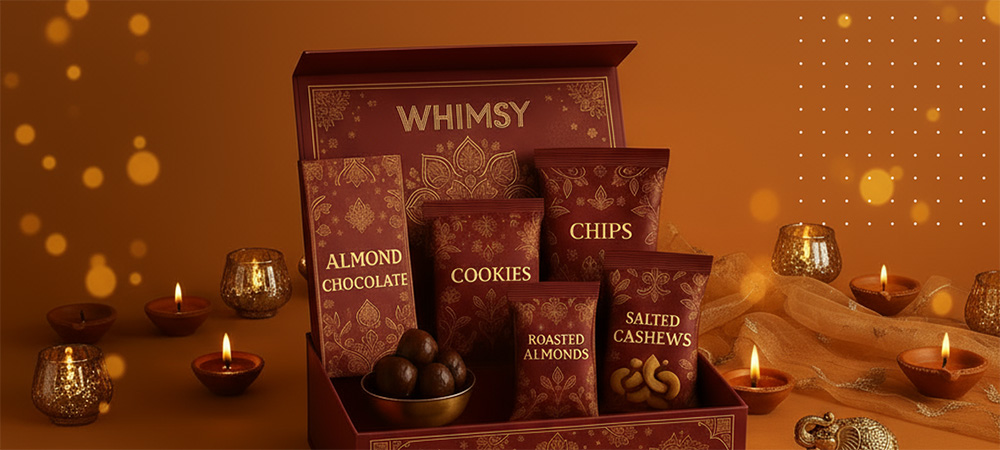
Instead of printing a completely different box for every occasion, businesses can create a standard packaging system with interchangeable components. A neutral outer box might be paired with seasonal stickers, sleeves, or printed cards. This arrangement allows the core brand identity to remain recognizable while introducing variety for specific campaigns. It can also reduce the risk of being left with large quantities of outdated seasonal packaging after a promotion ends.
Planning is important because seasonal designs need to be approved, produced, and delivered before the campaign begins. Businesses should estimate demand conservatively and consider whether leftover materials can be reused. Testing campaign packaging with a limited product range can reveal whether customers value the added presentation enough to justify the expense.
9. Practical Steps for Developing Better Product Packaging
Effective packaging development begins with understanding the product, the customer, and the conditions under which the package will be handled. A container that works well on a retail shelf may not provide enough protection during shipping, while a sturdy shipping box may be unnecessarily large for a lightweight item. Companies should identify essential requirements before selecting materials, colors, printing methods, and decorative features.
A structured development process can help prevent expensive mistakes. Businesses should compare samples, test packaging with the actual product, review labeling requirements, and evaluate feedback from early customers. They should also assess how easily employees can pack orders and whether the materials are readily available when inventory needs to be replenished. These operational details are particularly important as sales grow and order volumes become less predictable.
Useful priorities include:
- Define the target audience, product requirements, and intended brand impression.
- Select materials that balance protection, presentation, and disposal considerations.
- Test package dimensions, shipping durability, labeling, and ease of use.
- Compare supplier costs, minimum order quantities, storage needs, and lead times.
- Review customer feedback and refine the design using measurable results.
After launch, businesses can monitor product damage, packaging complaints, customer reviews, fulfillment time, and repeat-purchase behavior. These indicators help reveal whether a design is delivering practical and commercial value. Packaging should not remain unchanged simply because the original design looks attractive; it should evolve when customer expectations, product requirements, or operational conditions change.
10. Measuring the Business Impact of Packaging Decisions
Packaging improvements should be evaluated through more than appearance alone. Businesses can compare the cost of materials and labor against reductions in damage, fewer returns, improved customer feedback, and stronger brand recognition. For example, a slightly more protective box might cost more per shipment but reduce the number of damaged products. Conversely, an elaborate insert might increase costs without improving customer satisfaction. Measuring the results helps businesses distinguish meaningful investments from unnecessary extras.
Customer research can provide useful insights before a large packaging change. Surveys, product reviews, small test batches, and feedback from retail partners can reveal whether customers value particular materials or design features. A company might test two label designs with a limited product range or compare different box sizes for shipping efficiency. Results should be interpreted carefully because changes in price, promotions, delivery speed, and product quality can also affect sales.
Packaging performance can also be reviewed periodically as suppliers, material prices, regulations, and customer preferences change. Businesses should keep records of packaging specifications and supplier alternatives to reduce disruption if a material becomes unavailable. Regular reviews make it easier to maintain consistent quality while identifying opportunities to simplify the design or improve efficiency.
Conclusion
Product packaging has developed into a practical tool for building brand recognition, improving customer experiences, and supporting business growth. Minimalist design, responsible material selection, personalization, smart technology, and thoughtful unboxing experiences each offer opportunities to distinguish a product in a competitive marketplace. However, successful packaging depends on choosing ideas that fit the product, the intended audience, and the company’s available resources rather than adopting every emerging trend.