


Customer retention has become one of the most important priorities for businesses operating in an increasingly competitive market. Acquiring a new customer often requires considerable investment in marketing, advertising, sales activity, and onboarding. Retaining an existing customer, however, depends largely on the quality of the experience delivered after the initial purchase. When customers receive consistent value, responsive support, and products or services that continue to meet their expectations, they have stronger reasons to remain loyal.
For a growing Startup, customer retention can have an especially significant effect on revenue stability. Early-stage companies often operate with limited budgets and need to make every customer relationship count. A business that focuses only on attracting new buyers may experience high acquisition costs without building a dependable customer base. Retention strategies provide a different approach by encouraging satisfied customers to return, renew subscriptions, expand their purchases, and recommend the business to others.
Modern customers also have more choices than ever. They can compare prices, read reviews, switch providers, and discover alternatives within minutes. This makes retention more than a customer service function; it becomes a long-term business strategy. Companies that understand customer expectations, measure satisfaction, personalize communication, and respond quickly to problems can create relationships that contribute to sustainable growth.
Why Customer Retention Matters for Revenue Growth
Customer retention directly influences how effectively a business converts its existing customer base into recurring revenue. When customers make repeat purchases or continue using a service, the company does not have to spend the same level of resources repeatedly convincing them to buy. Over time, this can improve the economic value of each customer relationship and create a more predictable revenue foundation.
For a Startup, this predictability can be particularly valuable. Revenue may fluctuate significantly during the early stages of a business because customer acquisition is still developing. A strong retention rate can reduce some of that uncertainty by creating a base of customers who are already familiar with the product and its value. These customers may also be more receptive to new offerings, upgrades, premium features, or complementary products.
Retention also affects customer lifetime value. A customer who stays with a company for several years can potentially generate substantially more revenue than someone who makes a single purchase. The exact financial impact depends on the industry, pricing model, purchase frequency, margins, and customer behavior, but the principle remains consistent: longer and healthier customer relationships can create more opportunities for sustainable revenue.
Understanding What Customers Actually Need
Effective retention begins with understanding customers rather than simply trying to persuade them to stay. Businesses need to identify why customers originally chose their products, what outcomes they expect, and which factors could cause them to leave. This information can be collected through customer interviews, surveys, support conversations, product usage data, reviews, and purchasing patterns.
Customer expectations can also change as markets evolve. A feature that once differentiated a product may eventually become standard across the industry. Similarly, customers may begin prioritizing convenience, faster support, flexible pricing, personalization, privacy, or integration with other tools. A Startup that regularly studies these changing expectations can adjust its customer experience before dissatisfaction becomes widespread.
Customer segmentation can make this process more useful. Instead of treating every buyer identically, companies can identify groups based on purchase frequency, product usage, business size, engagement level, or lifecycle stage. This allows retention efforts to become more relevant. A new customer may need education and onboarding, while a long-term customer may respond better to advanced features, loyalty benefits, or personalized recommendations.
Delivering a Strong Customer Experience
A strong customer experience is one of the foundations of retention. Customers generally want a product or service that works as promised and a company that makes interactions straightforward. Complicated purchasing processes, unclear pricing, slow responses, confusing interfaces, and unresolved problems can gradually weaken trust even when the core product is useful.
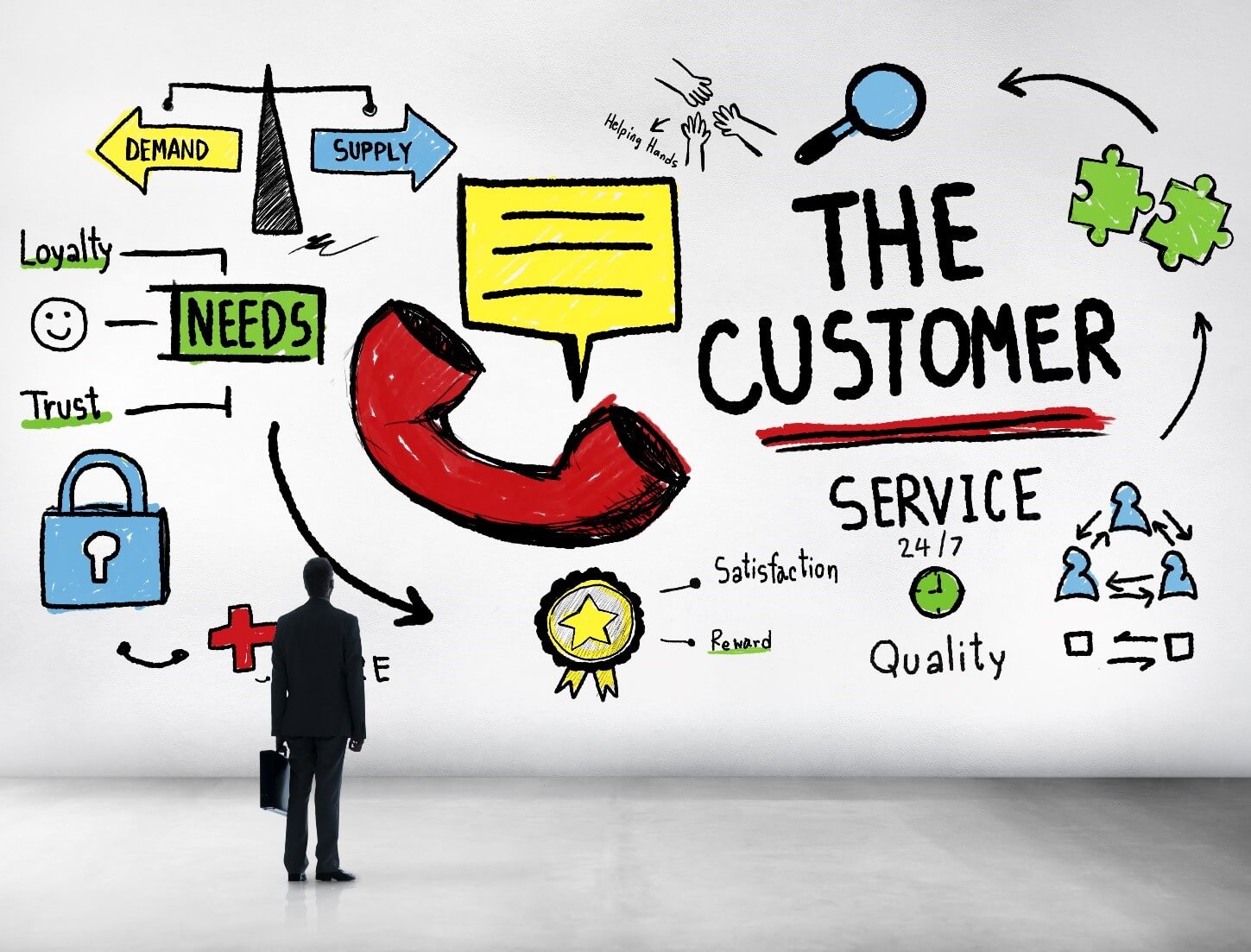
For a Startup, improving customer experience does not necessarily require expensive technology or a large support department. Simple improvements can make a meaningful difference. Clear onboarding instructions, helpful documentation, transparent policies, accessible support channels, and timely communication can reduce friction throughout the customer journey.
Consistency is equally important. A customer who receives excellent support before purchasing but struggles to get assistance afterward may feel that the company only values the initial transaction. Retention improves when businesses maintain a similar standard of service across sales, onboarding, support, billing, and renewal stages.
Building Personalized Customer Relationships
Personalization has moved beyond simply adding a customer’s name to an email. Customers increasingly expect businesses to understand their interests, previous interactions, purchasing behavior, and stage in the customer journey. Relevant recommendations and communications can make customers feel that the company understands their specific needs rather than treating them as part of a generic audience.
A Startup can use customer data responsibly to create more relevant experiences. For example, an online software company might recommend features based on how a customer uses its platform. An ecommerce business could provide product suggestions based on previous purchases. A subscription company might identify customers who have reduced their usage and offer helpful educational resources before they decide to cancel.
Personalization should remain useful rather than intrusive. Excessive messages, unnecessary notifications, or recommendations that reveal too much about tracking can have the opposite effect. The objective should be to reduce customer effort and provide meaningful value, not simply increase the number of marketing interactions.
Creating Effective Loyalty Programs
Loyalty programs can encourage repeat purchases when they provide benefits that customers genuinely value. Depending on the business model, these benefits might include discounts, points, exclusive products, early access, member-only services, or additional functionality. The program should be easy to understand and simple enough that customers can see a realistic path toward receiving a benefit.
For a Startup, loyalty programs should be designed around the company’s economics. Offering large discounts without considering margins can increase sales while weakening profitability. A more sustainable approach may involve non-monetary benefits, personalized rewards, referral incentives, or access to useful features.
Loyalty also does not always require a formal points system. Customers can become loyal because they trust a brand, appreciate its service, value its convenience, or feel that switching would create unnecessary effort. Building this broader sense of loyalty often requires consistent quality across the entire customer experience.
Using Customer Feedback to Reduce Churn
Customer feedback is one of the most practical tools for identifying retention problems. Reviews, surveys, support tickets, cancellation forms, and direct conversations can reveal recurring issues that may not be visible through sales figures alone. Businesses should look for patterns rather than treating every complaint as an isolated incident.
A cancellation can also provide valuable information. If several customers leave because of similar problems, the company has an opportunity to address the underlying cause. Instead of focusing only on replacing those customers with new ones, management can examine whether changes to the product, pricing, onboarding, or support process could prevent future churn.
A Startup can create a simple feedback loop by collecting customer comments, categorizing recurring issues, assigning responsibility for improvements, and reviewing whether those changes actually affect customer satisfaction. This turns feedback from a passive reporting mechanism into an ongoing business improvement process.
Retention Strategy and Expected Business Impact
| Retention Strategy | Primary Customer Benefit | Potential Business Impact |
|---|---|---|
| Personalized communication | More relevant interactions | Higher engagement |
| Better onboarding | Faster understanding of the product | Reduced early churn |
| Responsive support | Faster problem resolution | Greater trust |
| Loyalty incentives | Added value for repeat customers | More repeat purchases |
| Customer feedback | Greater opportunity to solve recurring issues | Improved customer experience |
| Re-engagement campaigns | Reminder of available value | Recovery of inactive customers |
The effectiveness of each strategy depends on the business model and customer expectations. A subscription-based company may focus heavily on usage, onboarding, and renewal behavior, while an ecommerce business may place greater emphasis on repeat purchasing, personalized recommendations, and post-purchase communication.
Improving Onboarding for Long-Term Retention
The first days and weeks of a customer relationship can strongly influence whether the customer recognizes the value of a product. A complicated onboarding process can create frustration before customers have experienced the main benefits. Effective onboarding should therefore help customers reach their first meaningful outcome as quickly as possible.
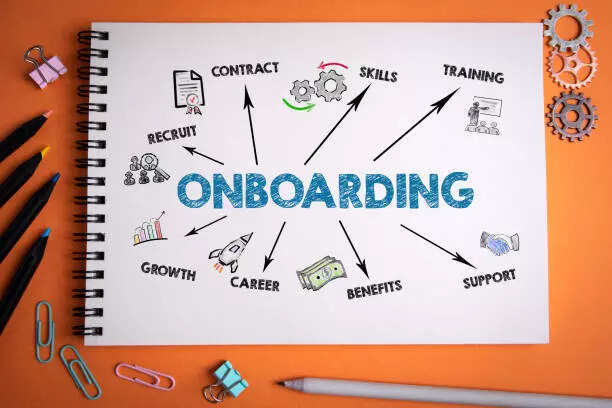
A Startup can improve onboarding by providing clear instructions, guided product tours, educational content, demonstrations, and proactive support. The goal is not to explain every possible feature immediately. Instead, customers should understand the most important actions required to achieve their initial objective.
Onboarding should also continue beyond the first interaction. Follow-up messages can introduce useful features at appropriate stages, answer common questions, and highlight resources that help customers become more successful. When customers understand how to obtain greater value from a product, they have stronger reasons to continue using it.
Providing Proactive Customer Support
Traditional customer service often begins after a customer reports a problem. Proactive support takes a different approach by identifying potential issues and addressing them before they become serious sources of dissatisfaction. This can involve monitoring product usage, identifying repeated support problems, communicating service updates, and educating customers about common challenges.
For example, if customers frequently struggle with a particular feature, a company can create a short tutorial or redesign the relevant workflow. If customers stop using an important part of a subscription service, the business can provide targeted guidance. These actions demonstrate that the company is interested in customer success rather than simply waiting for complaints.
Strong support can become a competitive advantage because customers remember how businesses respond when something goes wrong. A fast, transparent, and respectful resolution can sometimes strengthen trust even after a difficult experience.
Using Data to Identify At-Risk Customers
Retention decisions become more effective when businesses use measurable indicators. Companies can monitor changes in purchase frequency, login activity, subscription usage, support requests, customer satisfaction, and engagement with important features. These signals can help identify customers whose relationship with the business may be weakening.
A Startup does not necessarily need a sophisticated analytics infrastructure to begin. Even a basic customer database or analytics dashboard can reveal useful patterns. For example, if customers who do not complete onboarding within their first week have a higher cancellation rate, the company can focus additional assistance on that group.
Data should support human decision-making rather than replace it. Customer behavior can have many explanations, and automated assumptions may sometimes be incorrect. Combining quantitative information with direct customer feedback provides a more complete understanding of retention challenges.
Re-Engaging Inactive Customers
Not every inactive customer has permanently lost interest. Some may be busy, unaware of new features, dissatisfied with a specific experience, or simply unaware of how much value they can obtain from the product. Carefully designed re-engagement campaigns can remind these customers about relevant benefits without overwhelming them.
Effective re-engagement usually focuses on usefulness rather than repeated promotional messages. A business might introduce a new feature, provide a personalized recommendation, offer an educational resource, or ask customers what prevented them from continuing. The communication should be connected to the customer’s previous relationship with the company.
Timing is also important. Sending frequent reminders can make a customer disengage further. Businesses should test different communication intervals and monitor responses to determine what works for their particular audience.
Turning Satisfied Customers Into Advocates
Retention and customer advocacy can reinforce each other. Customers who consistently receive value may voluntarily recommend a business to colleagues, friends, or other potential buyers. Referral programs can formalize this behavior by providing incentives, but genuine advocacy generally begins with a strong customer experience.
Businesses can encourage advocacy by making it easy for satisfied customers to provide reviews, share experiences, participate in case studies, or refer people who may genuinely benefit from the product. The focus should remain on creating value rather than pressuring customers to promote the company.
This approach can help a Startup build credibility through existing customer relationships. New prospects often want evidence that a product works for people with similar needs. Authentic customer experiences can therefore support both retention and future acquisition.
Balancing Retention With Customer Value
Retention should not mean keeping every customer at any cost. Businesses need to understand whether customers are receiving meaningful value and whether the relationship remains sustainable for both sides. Excessive discounts, constant incentives, or aggressive retention campaigns can create short-term activity without producing healthy long-term relationships.
The strongest retention strategy is usually based on delivering an experience customers have a genuine reason to continue choosing. Product quality, reliability, convenience, communication, support, and ongoing improvement all contribute to that decision. When these elements work together, retention becomes a natural outcome of customer value rather than a separate promotional activity.
Conclusion
Customer retention is increasingly important for businesses seeking sustainable revenue in a competitive market. Instead of relying exclusively on continuous customer acquisition, companies can strengthen their financial foundation by developing relationships with the customers they already serve. Understanding customer expectations, improving onboarding, providing responsive support, using feedback, personalizing communication, and identifying early signs of disengagement can all contribute to stronger long-term relationships. For a growing Startup, retention can also create valuable opportunities beyond repeat revenue. Satisfied customers may explore additional products, upgrade their plans, provide useful feedback, and recommend the company to others. The most effective approach is not based on one tactic but on creating a consistent customer experience that continues to deliver meaningful value after the first purchase.