

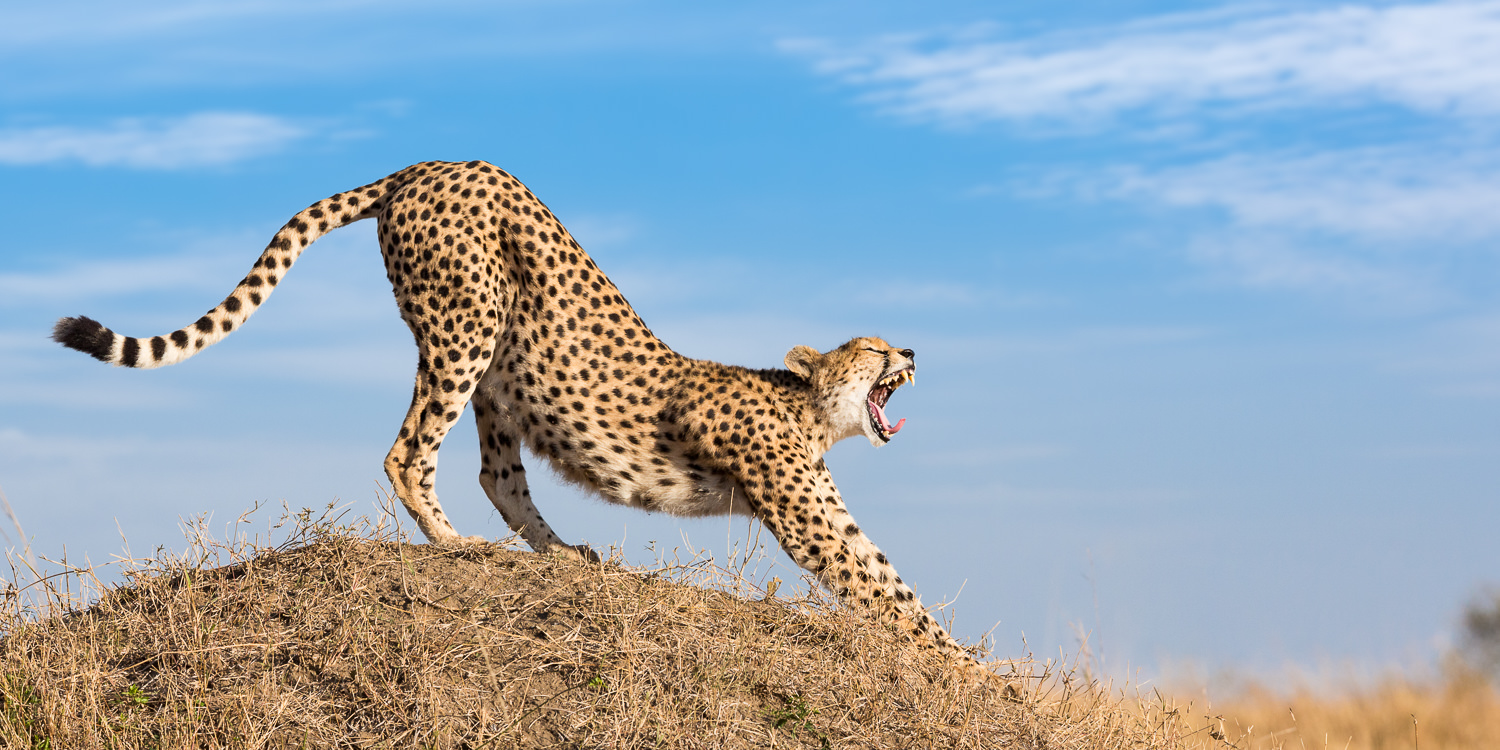
A wildlife photography safari in Kenya offers an extraordinary opportunity to capture the beauty of Africa’s iconic wildlife and breathtaking landscapes. Renowned as one of the world’s premier safari destinations, Kenya is home to an incredible diversity of animals, dramatic scenery, and world-famous national parks. Whether you are a professional photographer or a passionate hobbyist, a photography safari in Kenya provides unforgettable experiences and countless opportunities to create stunning images of wildlife in its natural habitat.
Kenya’s diverse ecosystems make it an exceptional destination for wildlife photography. From the vast grasslands of the Maasai Mara to the wetlands of Lake Nakuru and the elephant-filled plains of Amboseli National Park, each location offers unique photographic opportunities. The country’s varied landscapes include rolling savannas, acacia woodlands, mountain backdrops, freshwater lakes, and river systems, allowing photographers to capture both dramatic wildlife portraits and spectacular scenic images.
One of the greatest highlights of a wildlife photography safari in Kenya is the opportunity to photograph the legendary Big Five—lion, leopard, elephant, rhinoceros, and African buffalo. These iconic animals are among the most sought-after wildlife subjects in the world. In addition to the Big Five, photographers can capture cheetahs hunting across open plains, graceful giraffes feeding from acacia trees, zebras grazing in large herds, hippos relaxing in rivers, crocodiles basking along riverbanks, and countless other fascinating species. Every game drive presents fresh opportunities to document unique animal behavior and memorable moments.
The Maasai Mara National Reserve is considered the crown jewel of wildlife photography in Kenya. Famous for its rich biodiversity and abundant predators, the reserve is also the stage for the spectacular Great Migration. Every year, millions of wildebeest, zebras, and gazelles cross the Mara River in search of greener pastures, creating dramatic scenes filled with action, movement, and emotion. River crossings, predator encounters, and endless wildlife-filled landscapes provide photographers with some of the most remarkable images found anywhere in Africa.
Amboseli National Park is another favorite destination for wildlife photographers. The park is internationally known for its large elephant herds set against the snow-capped peak of Mount Kilimanjaro. This breathtaking combination of wildlife and scenery creates iconic photographs that symbolize the beauty of African safaris. Lake Nakuru National Park offers opportunities to photograph rhinos, flamingos, pelicans, and numerous waterbirds, while Samburu National Reserve features unique northern species such as the Grevy’s zebra, reticulated giraffe, and Somali ostrich.
Photography-focused safari tours are designed to maximize opportunities for exceptional wildlife images. Unlike traditional safaris, these specialized tours prioritize the best lighting conditions during sunrise and sunset, extended wildlife viewing, and flexible schedules that allow photographers to wait patiently for the perfect moment. Experienced safari guides understand animal behavior and know where to position vehicles for the best angles while ensuring minimal disturbance to wildlife. Many tours also include professional photography guidance, helping participants improve composition, camera settings, and field techniques.
Successful wildlife photography requires appropriate equipment and preparation. A DSLR or mirrorless camera paired with a telephoto lens, such as a 100–400mm or 200–600mm zoom, is ideal for capturing distant wildlife with outstanding detail. A wide-angle lens is useful for photographing sweeping landscapes and environmental portraits, while extra batteries, memory cards, lens cleaning supplies, and a bean bag for camera support are valuable additions for long game drives.
Ethical wildlife photography is essential for preserving Kenya’s natural heritage. Responsible photographers maintain a respectful distance from animals, avoid disturbing their natural behavior, and follow the guidance of professional safari guides. Many safari operators actively support wildlife conservation and community-based tourism, ensuring that photography tourism contributes to habitat protection and the long-term survival of Kenya’s remarkable biodiversity.
In conclusion, a wildlife photography safari in Kenya is far more than a photography trip—it is an inspiring journey into one of the world’s richest wildlife destinations. From capturing the Big Five and the Great Migration to photographing elephants beneath Mount Kilimanjaro and colorful birdlife across diverse landscapes, every day presents extraordinary opportunities for creativity and discovery. With its exceptional wildlife, stunning scenery, expert guides, and strong commitment to conservation, Kenya remains one of the finest destinations in the world for unforgettable wildlife photography safaris.