

Startup India is a government-backed initiative designed to encourage entrepreneurship, innovation, and the development of new businesses across the country. It aims to create an environment where entrepreneurs can transform ideas into sustainable ventures with access to recognition, support, funding opportunities, and a more streamlined regulatory framework.
For a new entrepreneur, starting a company involves much more than developing a product. Business registration, compliance, intellectual property protection, funding, taxation, hiring, and market development can all become challenging. Government initiatives can help eligible businesses navigate some of these areas more efficiently.
The program is particularly relevant for founders developing innovative products, technology solutions, services, or scalable business models. However, entrepreneurs should understand the eligibility requirements and available benefits before applying. Recognition does not automatically guarantee funding or tax advantages; individual benefits may have additional conditions.
What Is Startup India?
Startup India is an initiative introduced by the Government of India to promote entrepreneurship and support businesses that demonstrate innovation, scalability, or the potential to create employment and economic value. The broader objective is to make it easier for entrepreneurs to establish and grow businesses while encouraging a culture of innovation.
The initiative works through several forms of support rather than functioning as a single financial scheme. Eligible ventures may receive recognition, access to information, opportunities to connect with investors or incubators, intellectual property assistance, and certain regulatory benefits.
One important feature is startup recognition through the Department for Promotion of Industry and Internal Trade (DPIIT). A business that meets the prescribed conditions can seek recognition and potentially become eligible for benefits associated with recognized startups.
Who Can Benefit From the Initiative?
The initiative is primarily aimed at businesses that have a genuine potential for innovation, improvement, development, or scalability. A company does not become eligible simply because it is newly established. The organization and its business model must satisfy applicable requirements.
Entrepreneurs working in technology, manufacturing, healthcare, education, agriculture, financial services, sustainability, consumer products, and other sectors may explore eligibility depending on their business structure and activities.
Common characteristics considered when evaluating a startup include:
- A newly established business with an innovative or improved product, service, or process.
- Potential to develop employment opportunities or create economic value.
- A business structure that meets the applicable recognition requirements.
- A venture operating within the prescribed age, turnover, and other eligibility conditions.
Because government rules can change, founders should verify the current criteria before submitting an application.
Key Benefits for Entrepreneurs
One of the biggest attractions of Startup India is the range of support available to qualifying businesses. These benefits can reduce administrative difficulties and help founders focus more attention on developing their products and markets.
DPIIT-recognized startups may receive assistance related to intellectual property rights, including mechanisms intended to make patent and trademark processes more accessible. This can be particularly useful for businesses whose competitive advantage depends on technology, product design, research, or proprietary processes.
Recognized ventures may also benefit from simplified compliance mechanisms in certain areas. Some businesses can use self-certification for specified labor and environmental regulations, subject to applicable conditions. Such measures are intended to reduce unnecessary administrative burdens while maintaining legal responsibilities.
The initiative can also improve access to startup-focused ecosystems, including incubators, accelerators, mentorship networks, investor connections, and government-supported programs.
Understanding Startup India Recognition
Recognition is an important step because several benefits are linked specifically to recognized startups. Entrepreneurs generally begin by ensuring that their business entity and activities satisfy the relevant criteria before submitting an application through the designated government platform.
The process typically requires accurate information about the organization, founders, business activities, and innovation or improvement being developed. Supporting documentation may also be required.
After receiving recognition, founders should not assume that every benefit becomes available automatically. Certain incentives have separate eligibility rules, applications, approvals, or conditions.
For example, tax-related incentives may require compliance with specific provisions under applicable tax laws. Similarly, intellectual property benefits depend on the nature of the intellectual property and the relevant application process.
Startup India and Funding Opportunities
Funding is one of the most important concerns for early-stage entrepreneurs. A promising idea can still fail to reach customers if the business lacks sufficient capital for product development, employees, marketing, technology, and operations.
Startup India provides an ecosystem that can help eligible ventures explore different funding channels. These may include incubators, angel investors, venture capital firms, banks, government-supported funds, and other financing programs.
However, entrepreneurs should distinguish between access to funding opportunities and guaranteed financial assistance. Government recognition does not mean that a startup will automatically receive investment.
A strong funding strategy should include a realistic financial model, clear revenue assumptions, a defined target market, and an explanation of how the capital will be used. Founders should also understand equity dilution, repayment obligations, investor expectations, and the risks associated with different financing options.
Tax and Regulatory Considerations
Tax benefits can be valuable for qualifying startups, but they should be evaluated carefully. Certain recognized businesses may qualify for specific income-tax incentives if they satisfy the applicable legal requirements and receive necessary approvals.
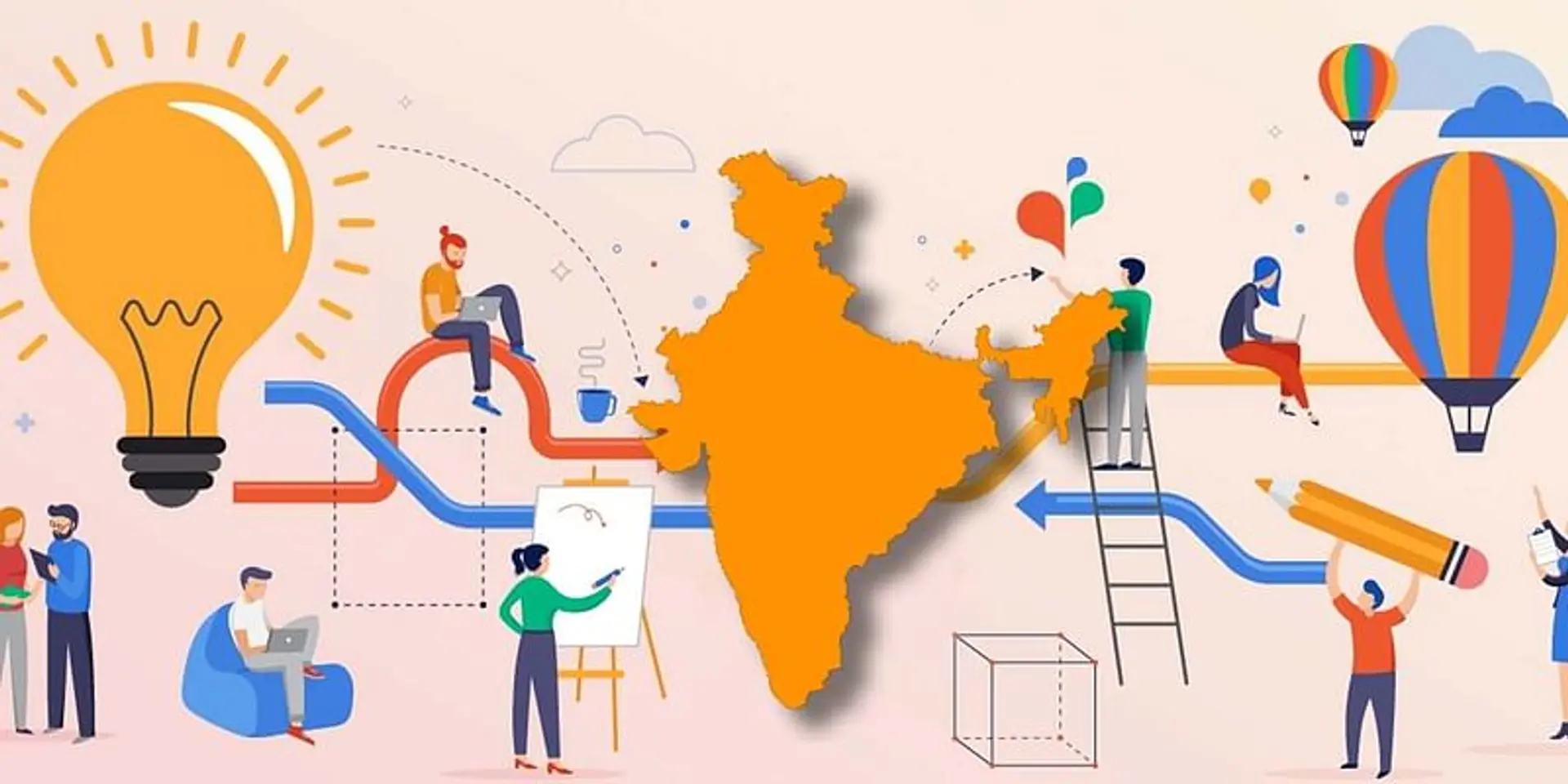 Entrepreneurs should also remember that recognition does not remove normal business responsibilities. Companies may still need to maintain accounting records, file applicable returns, comply with employment laws, manage contracts, and meet sector-specific regulations.
Professional advice can be useful when a startup begins handling significant revenue, external investment, employee stock options, intellectual property, international transactions, or complex tax matters.
The following table provides a simplified overview of major areas entrepreneurs commonly explore:
| Area | Potential Support | Why It Matters |
|---|---|---|
| Recognition | DPIIT startup recognition | Establishes eligibility for certain benefits |
| Intellectual Property | Facilitated support and assistance | Helps protect innovations and brands |
| Compliance | Simplified processes in specified areas | Can reduce administrative workload |
| Funding Ecosystem | Investor, incubator and funding connections | Supports business growth |
| Tax Incentives | Benefits for eligible ventures | May improve financial efficiency |
| Mentorship | Startup ecosystem and guidance | Helps founders make informed decisions |
How to Register and Apply
Entrepreneurs should first establish the appropriate legal entity, such as a private limited company, limited liability partnership, or eligible partnership structure, depending on their business model and legal requirements.
The next step is to review the current DPIIT recognition criteria. Applicants generally need to provide organizational information and explain how their business addresses innovation, improvement, scalability, or employment and wealth creation.
A practical application approach includes:
- Choose the appropriate business structure.
- Complete the required incorporation or registration formalities.
- Prepare accurate business and founder information.
- Explain the innovative or scalable nature of the venture clearly.
- Apply for recognition through the designated government process.
- Review individual eligibility requirements before claiming any additional benefit.
Accuracy is important. Entrepreneurs should avoid exaggerated claims about innovation, market size, revenue, or intellectual property. Clear and truthful information creates a stronger foundation for compliance.
How Startups Can Make Better Use of the Ecosystem
Getting recognition is only the beginning. Founders should actively use available resources to improve their businesses. Mentorship can help identify weaknesses in pricing, customer acquisition, operations, and product development.
Incubators and accelerators can be especially useful for early-stage companies because they may provide workspace, technical support, industry connections, training, and investor exposure. The right program depends on the startup’s sector, development stage, location, and objectives.
Entrepreneurs should also build a strong digital presence, understand customer needs, monitor competitors, and test their assumptions before investing heavily. Government support can complement a good business strategy, but it cannot replace product-market fit or effective execution.
Common Mistakes Entrepreneurs Should Avoid
New founders sometimes focus heavily on registration while overlooking the fundamentals of running a business. A certificate or recognition status alone does not create customers or guarantee profitability.
Some common mistakes include:
- Choosing a business structure without considering long-term requirements.
- Assuming every government benefit applies automatically.
- Ignoring intellectual property protection until competitors appear.
- Building a product without validating customer demand.
- Mixing personal and business finances.
- Failing to maintain proper accounting and compliance records.
- Raising funds without understanding ownership dilution.
A disciplined approach is more valuable than chasing every available incentive. Entrepreneurs should select support programs that directly contribute to their business objectives.
The Future of Entrepreneurship in India
Startup India has contributed to a broader entrepreneurial ecosystem in which founders, investors, incubators, educational institutions, and technology providers increasingly interact with one another. The growth of digital infrastructure has also lowered entry barriers for many businesses.
Entrepreneurship is no longer limited to large metropolitan areas. Founders from smaller cities and emerging business communities can build online-first companies, develop specialized products, and reach customers across India and international markets.
At the same time, competition has increased. Entrepreneurs now need stronger differentiation, better financial planning, customer understanding, and operational discipline. Sustainable growth is becoming more important than simply launching quickly.
For this reason, the long-term value of Startup India depends not only on government incentives but also on how effectively founders use available resources to build businesses capable of surviving market changes.
Conclusion
Startup India offers a structured ecosystem for entrepreneurs seeking recognition, regulatory support, intellectual property assistance, funding connections, and opportunities to participate in India’s growing innovation economy. The initiative can be particularly useful for founders who understand their eligibility and make informed use of available resources.
Entrepreneurs should approach the process strategically rather than viewing recognition as an automatic path to funding or profitability. A successful venture still requires customer validation, strong execution, financial discipline, legal compliance, and continuous innovation. By combining government support with sound business practices, new founders can create stronger foundations for sustainable growth.