

The way businesses are built and managed has changed significantly in recent years. Remote work, cloud-based software, digital payments, online collaboration, artificial intelligence, and global marketplaces have made it possible for entrepreneurs to create companies without maintaining a traditional office. This shift has opened opportunities for individuals who want greater flexibility while still building professional and scalable businesses. A startup can now operate with a distributed team, serve customers in different cities or countries, and manage many everyday activities through digital platforms.
Remote business models are particularly attractive because they can reduce some of the fixed costs associated with traditional operations. Instead of spending heavily on office rent, utilities, commuting arrangements, and large physical infrastructure, entrepreneurs can direct more resources toward product development, marketing, customer service, technology, and employee growth. However, remote entrepreneurship is not simply about working from home. A successful startup needs a clear value proposition, reliable systems, effective communication, financial discipline, and a business model capable of generating consistent demand.
What Makes Remote Business Models Attractive Today?
Modern remote businesses benefit from an environment where customers are increasingly comfortable purchasing services, consulting professionals, attending online events, subscribing to digital products, and communicating with companies virtually. Entrepreneurs can therefore build businesses around specialized knowledge, digital products, online services, software, creative work, education, marketing, and other areas that do not require a permanent physical location.
One of the biggest advantages is flexibility. A founder can begin with a small team and expand as demand increases rather than investing heavily before the business has proven its market. This approach can make a startup more adaptable when customer preferences change. Remote operations can also provide access to specialists who may live outside the company’s immediate geographical area. Instead of limiting recruitment to people who can commute to one office, businesses can search for talent based on skills and experience.
How to Choose the Right Remote Business Model
Choosing a suitable remote model requires more than selecting an industry that appears popular. Entrepreneurs should first identify a specific problem and determine whether customers are willing to pay for a practical solution. A strong business idea usually combines a clear customer need with a delivery method that can work efficiently through digital channels.
For example, a professional with expertise in graphic design could create a remote design service for small businesses. Another entrepreneur might turn industry knowledge into an online training program, while a software developer could build a subscription-based application. The important consideration is whether the business can deliver measurable value without depending heavily on physical infrastructure.
A startup should also be evaluated according to its revenue structure. Some businesses generate income through one-time purchases, while others rely on subscriptions, retainers, commissions, memberships, or recurring service contracts. Recurring revenue can provide greater predictability, but it may require continuous customer support and product improvements. One-time sales can be easier to understand but may require constant marketing to attract new customers.
Popular Remote Business Models for Entrepreneurs
Remote Consulting Services
Consulting remains one of the most accessible remote models for professionals with valuable knowledge. Business strategy, marketing, finance, human resources, technology, operations, career development, and specialized industry consulting can often be delivered through video meetings, documents, presentations, and project-management tools.
The main advantage is that consulting can begin with relatively limited infrastructure. A professional can start independently, develop a reputation through successful projects, and eventually build a larger consulting team. The challenge is establishing trust. Customers need evidence that the consultant understands their problem and can produce meaningful results. Case studies, testimonials, professional communication, and clearly defined deliverables can help establish credibility.
Remote Digital Marketing Agency
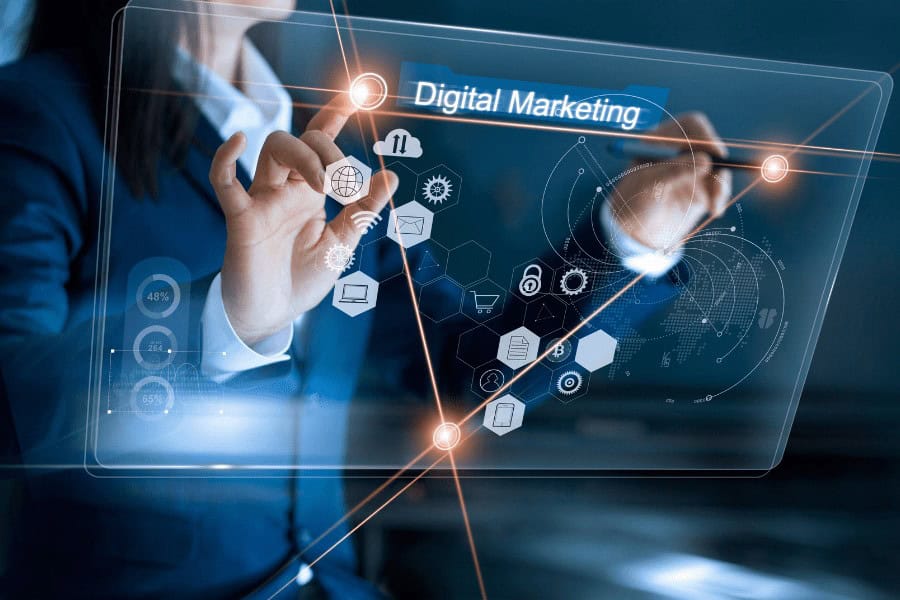
Digital marketing is another strong opportunity because businesses increasingly need assistance with search optimization, social media, content creation, paid advertising, email campaigns, analytics, and online branding. A remote agency can coordinate specialists from different locations while maintaining a single customer-facing operation.
A small agency does not necessarily need to provide every marketing service. Specialization can sometimes create a stronger competitive position. For example, an agency could focus on local search optimization, content marketing, ecommerce advertising, or social media management. As the customer base grows, the company can add complementary services and employees.
Software as a Service
Software as a Service, commonly known as SaaS, has become one of the most scalable remote models. Instead of selling software through traditional installations, companies provide access through an online platform, often using monthly or annual subscriptions.
A SaaS startup can address a narrow business problem, such as appointment management, team communication, inventory tracking, reporting, customer support, or workflow automation. The strongest products are usually designed around a clearly defined problem rather than trying to serve everyone. Building the initial product can require significant technical effort, but successful software can serve many customers without requiring a proportional increase in physical infrastructure.
Online Education and Training
Digital education has expanded beyond traditional academic courses. Professionals can create training programs around software skills, business knowledge, language learning, creative abilities, career development, productivity, and industry-specific expertise.
A remote education business can combine recorded lessons with live sessions, assignments, community discussions, assessments, and personalized feedback. This combination can make an online course feel more valuable than a collection of videos. Entrepreneurs should focus on outcomes rather than simply producing large amounts of educational material.
Comparing Remote Business Models
| Business Model | Initial Cost | Scalability | Revenue Style | Key Challenge |
|---|---|---|---|---|
| Consulting | Low | Moderate | Projects or retainers | Building authority |
| Digital Agency | Low to moderate | High | Retainers or projects | Managing quality |
| SaaS | Moderate to high | Very high | Subscriptions | Product development |
| Online Education | Low to moderate | High | Courses or memberships | Customer engagement |
| Digital Products | Low | Very high | One-time or recurring | Differentiation |
Building a Remote Team That Actually Works
A remote company depends heavily on communication. Without an office environment, employees cannot simply walk over to a colleague’s desk to resolve every question. Businesses therefore need clear communication systems, documentation, task ownership, deadlines, and expectations.

Successful remote teams often separate communication into different categories. Urgent issues may require direct conversations, while routine updates can be handled through written communication. Documentation is particularly important because it prevents employees from repeatedly asking the same questions and makes onboarding easier for new team members.
A startup should also avoid confusing constant online availability with productivity. Employees need clear objectives rather than endless meetings. Managers should evaluate performance based on completed work, customer outcomes, quality, and progress toward business goals. This approach can create a healthier environment while improving operational efficiency.
Technology and Automation
Technology plays an important role in making remote operations practical. Cloud storage allows teams to access important documents, project-management systems organize responsibilities, communication platforms connect employees, and analytics tools help management understand business performance.
Artificial intelligence is also becoming increasingly useful for remote companies. AI can assist with research, content development, customer support, data analysis, meeting summaries, workflow automation, and internal knowledge management. However, automation should support employees rather than remove human judgment from important decisions. Businesses still need people to understand customers, solve unusual problems, maintain relationships, and make strategic choices.
Keeping Remote Operations Financially Efficient
One of the strongest benefits of remote entrepreneurship is the potential to control overhead. However, lower overhead does not automatically mean higher profitability. Businesses can still overspend on software subscriptions, advertising, contractors, technology, and unnecessary services.
Entrepreneurs should regularly evaluate whether each expense contributes to revenue, customer satisfaction, productivity, or long-term business development. A lean operating structure allows the company to preserve cash while testing new ideas. This is particularly important during the early stage when revenue may fluctuate.
A useful approach is to separate essential expenses from optional growth expenses. Essential expenses might include core software, employee compensation, accounting, customer support, and infrastructure. Optional expenses can be tested gradually based on measurable results.
Marketing a Remote Business
Marketing a remote company requires a strong understanding of its target audience. Because geographical limitations are often reduced, competition can come from businesses around the world. This makes positioning especially important.
A company should clearly communicate who it serves, what problem it solves, why its solution is different, and what customers can expect. Educational content can be particularly useful because it allows businesses to demonstrate expertise before asking potential customers to make a purchase. Case studies, useful guides, demonstrations, newsletters, webinars, and professional social content can all contribute to credibility.
Creating Customer Trust Without a Physical Office
Trust can sometimes be harder to establish when customers never meet a company in person. A professional digital presence, transparent pricing, clear contracts, responsive communication, secure payment systems, and reliable customer support can reduce uncertainty.
Customer experience also becomes a major competitive advantage. A remote company that communicates clearly and delivers consistently can build strong relationships even without a physical location. In many cases, customers care less about where the company operates and more about whether it solves their problem efficiently.
Challenges Entrepreneurs Should Prepare For
Remote businesses have significant advantages, but they also present challenges. Isolation, communication gaps, inconsistent productivity, cybersecurity risks, time-zone differences, and difficulties maintaining company culture can affect performance if they are ignored.
Another challenge is maintaining boundaries between work and personal life. Remote entrepreneurs can easily extend their working hours because the workplace is always nearby. Establishing working schedules, priorities, and communication expectations can help prevent burnout.
The most important areas to manage include:
- Clear responsibilities and measurable goals.
- Strong cybersecurity and controlled access.
- Reliable communication and documentation.
- Regular financial and performance reviews.
- Consistent customer support.
Scaling a Remote Business
Scaling should happen when the underlying business model has demonstrated demand. Hiring too quickly can create unnecessary expenses, while refusing to delegate can limit growth. Entrepreneurs need to identify repetitive tasks that can be documented, automated, outsourced, or assigned to specialized employees.
A startup becomes easier to scale when its processes are repeatable. Sales, onboarding, customer support, billing, project delivery, and quality control should gradually become structured systems rather than activities that depend entirely on the founder.
The founder’s role may also change as the company grows. In the beginning, the entrepreneur might handle sales, operations, marketing, and customer service. Later, the focus can shift toward strategy, leadership, partnerships, financial management, and product development. Recognizing this transition is essential for sustainable growth.
Remote Business Models and the Future of Entrepreneurship
The future of remote entrepreneurship is likely to become increasingly connected with automation, artificial intelligence, digital collaboration, and global talent networks. Smaller companies can use technology to perform tasks that previously required larger teams, allowing specialized businesses to compete with much bigger organizations.
At the same time, customers are becoming more selective. Technology alone does not guarantee success. Businesses still need strong products, excellent service, reliable communication, and a clear understanding of customer needs. Entrepreneurs who combine technology with genuine expertise can create businesses that remain flexible without sacrificing quality.
A successful remote company does not have to grow by becoming enormous. Sustainable growth can also mean building a profitable company with a focused customer base, predictable revenue, manageable workloads, and strong employee relationships. This makes remote entrepreneurship appealing not only for ambitious founders but also for people seeking greater control over how they work.
Conclusion
Remote business models have created new possibilities for entrepreneurs who want flexibility, lower infrastructure requirements, and access to wider markets. From consulting and digital agencies to SaaS platforms, online education, and digital products, there are numerous ways to build a business without depending on a traditional office. The strongest opportunities will come from solving real problems rather than simply following trends. Entrepreneurs should validate their ideas, understand their customers, control expenses, establish dependable systems, and use technology strategically. With thoughtful planning and consistent execution, a remote startup can develop from a small operation into a sustainable business capable of adapting to changing markets while giving its founders and teams greater flexibility.