

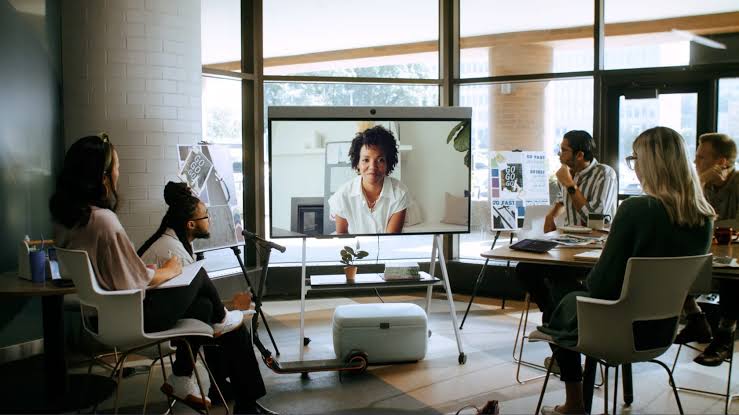
Remote work has transformed how businesses recruit talent, manage projects, and build professional relationships. Companies no longer need to operate from a single office to develop successful teams. Employees can collaborate across cities, countries, and time zones using digital communication tools, shared workspaces, and cloud-based platforms. However, working remotely also creates challenges that traditional office environments do not always experience. Employees may feel disconnected, misunderstand expectations, struggle with communication delays, or find it difficult to separate their personal lives from professional responsibilities. Building a strong remote culture requires more than providing laptops and scheduling online meetings. It involves creating an environment where people feel trusted, informed, supported, and connected to a shared purpose.
For a startup, establishing this culture early can influence employee satisfaction, productivity, recruitment, and long-term business growth. Founders must create practical systems that support collaboration without introducing unnecessary meetings or excessive monitoring. A successful remote environment encourages employees to communicate openly, document important decisions, respect different working styles, and focus on meaningful outcomes. When these practices become part of everyday operations, geographical distance becomes less of a barrier to teamwork. Instead of relying on constant supervision, businesses can build a workforce that takes ownership of responsibilities and works confidently toward common goals.
Understanding the Importance of Remote Team Culture
Remote team culture describes the shared values, communication habits, expectations, and behaviors that shape how employees work together from different locations. It determines how team members exchange ideas, resolve disagreements, make decisions, and support one another during challenging situations. A healthy culture does not develop automatically when employees begin working online. Leaders must communicate expectations clearly and demonstrate the behaviors they want the team to follow. Without these foundations, employees may develop inconsistent working habits, misunderstand priorities, or feel uncertain about how their contributions affect the business.
A well-designed remote culture also supports flexibility while maintaining accountability. Employees should understand what they are responsible for, when work needs to be completed, and how success will be evaluated. At the same time, managers should recognize that individuals have different schedules, personal commitments, and productivity patterns. For example, a developer working in a different time zone may prefer completing focused tasks independently before responding to nonurgent messages. A documented workflow allows that employee to contribute effectively without remaining online throughout the day. This balance between independence and shared responsibility helps organizations build trust while keeping projects moving forward.
Establish Clear Communication Expectations
Create Consistent Communication Guidelines
Communication becomes more complicated when employees cannot rely on informal office conversations. A quick question that would normally take a few seconds in person may turn into a long message exchange when expectations are unclear. Teams can reduce this friction by establishing simple guidelines for different communication channels. Instant messaging can support brief questions, project management tools can track assignments, and video meetings can address complex discussions that require immediate feedback. When employees understand where information belongs, they spend less time searching through conversations and more time completing important work.
Communication guidelines should also define reasonable response expectations. Not every message requires an immediate answer, particularly when team members work across different time zones. Leaders should distinguish urgent operational issues from routine updates and respect employees’ designated working hours. A company might expect critical production problems to receive immediate attention while allowing ordinary project questions to be answered during the next working period. These arrangements reduce unnecessary interruptions and prevent employees from feeling pressured to remain constantly available. Clear expectations make communication more predictable without restricting collaboration.
Encourage Transparent Information Sharing
Transparency helps remote employees understand business priorities and make informed decisions without waiting for repeated instructions. Managers should share relevant project updates, explain changes in direction, and document important decisions where the entire team can access them. When information remains concentrated among a few individuals, employees may duplicate work or make decisions based on outdated assumptions. A shared knowledge base containing project requirements, meeting summaries, procedures, and frequently used resources can reduce these problems considerably.
Transparent communication also means explaining the reasoning behind important decisions. When leaders change deadlines, adjust product priorities, or introduce new processes, they should communicate what has changed and why. Employees are more likely to support decisions when they understand the circumstances behind them. In a growing startup, this practice becomes especially important because responsibilities and priorities can change quickly. Consistent information sharing gives employees the context they need to act independently while remaining aligned with business objectives.
Build Trust Through Autonomy and Accountability
Trust is one of the most important foundations of a distributed workforce. Managers who measure commitment through online status, frequent check-ins, or constant screen monitoring can unintentionally create anxiety and discourage independent thinking. Instead, teams should establish clear goals, realistic deadlines, and measurable performance expectations. Employees need enough freedom to decide how they will complete their responsibilities while remaining accountable for the results. This approach encourages professional ownership and allows managers to concentrate on progress rather than supervising every activity.
For a startup, autonomy can also improve decision-making speed. Consider a remote marketing team responsible for launching a campaign. Rather than requiring approval for every minor adjustment, a manager can define the campaign budget, target audience, brand guidelines, and expected outcomes. Team members can then make routine decisions within those boundaries and escalate only significant issues. Regular progress reviews help identify obstacles without creating unnecessary oversight. When employees know which decisions they can make independently, they become more confident, responsive, and invested in their work.
Accountability should remain supportive rather than punitive. Missed deadlines and project delays can happen because of unclear requirements, technical difficulties, or unexpected changes. Managers should investigate the underlying causes before assigning blame. Honest discussions help teams identify process improvements and establish more realistic commitments for future projects. A culture that combines responsibility with psychological safety allows employees to raise concerns early, request assistance, and learn from mistakes instead of hiding problems until they become more expensive to resolve.
Establish Effective Remote Collaboration Practices
Remote collaboration works best when teams have predictable processes for planning, executing, reviewing, and completing work. Every project should have clearly defined objectives, assigned responsibilities, realistic deadlines, and a shared understanding of what completion means. Project management systems can make these details visible to everyone involved. Employees should be able to identify the current status of a task, understand dependencies, and determine who is responsible for the next step without repeatedly contacting colleagues.

A startup can strengthen collaboration by selecting tools according to actual business needs rather than adopting every popular platform. Too many disconnected applications can create confusion, duplicate notifications, and fragmented information. A practical technology setup might include one project management platform, one primary messaging system, a shared document workspace, and a reliable video conferencing solution. The specific products matter less than consistent usage. Employees should know where to record decisions, update tasks, share files, and raise project concerns.
The following table illustrates how common collaboration challenges can be addressed through simple working practices.
| Remote collaboration challenge | Recommended practice | Expected benefit |
|---|---|---|
| Unclear task ownership | Assign one accountable owner to each task | Fewer missed responsibilities |
| Too many meetings | Share written updates and use meetings selectively | More focused working time |
| Information scattered across tools | Maintain a shared knowledge base | Easier access to important information |
| Delayed decisions | Document decision owners and deadlines | Faster project progress |
| Employees feeling disconnected | Schedule meaningful team interactions | Stronger professional relationships |
These practices become more valuable as teams grow and projects involve multiple departments. Founders should review collaboration systems periodically to identify unnecessary steps and outdated processes. A workflow that works for five employees may require adjustments when the organization reaches twenty or fifty people. Regular feedback helps businesses improve their systems without adding complexity simply for the sake of appearing organized.
Prioritize Asynchronous Work and Respect Time Zones
Asynchronous collaboration allows employees to contribute without participating in the same conversation at the same moment. It is especially useful when teams operate across multiple time zones or when employees need uninterrupted periods for complex tasks. Written project updates, recorded demonstrations, shared planning documents, and detailed task descriptions allow work to continue even when colleagues are unavailable. Instead of waiting for a meeting to obtain basic information, employees can review existing documentation and move forward independently.
Successful asynchronous work depends on the quality of written communication. Messages should explain the relevant background, identify the specific question or decision, and clarify any deadline. For example, a designer requesting feedback on a new interface should explain the intended user experience, identify the areas requiring review, and state when feedback is needed. Providing screenshots or supporting documents can further reduce confusion. These small habits make collaboration more efficient and help employees avoid repeated clarification requests.
Businesses should also establish a reasonable overlap period when real-time coordination is necessary. However, this should not become a requirement for everyone to follow identical working hours regardless of location. Teams can rotate meeting times when recurring discussions involve employees in significantly different time zones. Important meetings should have clear agendas, and relevant notes should be shared afterward for anyone unable to attend. This approach supports fairness while preserving opportunities for direct discussion.
Create Opportunities for Social Connection
Make Team Relationships Part of Everyday Work
Professional relationships influence how comfortably employees share ideas, ask for help, and resolve disagreements. In an office, these connections often develop through casual conversations, shared lunches, and spontaneous discussions. Remote employees have fewer natural opportunities for these interactions, so leaders need to create intentional alternatives. Informal virtual gatherings, optional social channels, welcoming onboarding sessions, and occasional team celebrations can help colleagues become familiar with one another beyond their assigned responsibilities.
Social activities should remain inclusive and voluntary whenever possible. Not every employee enjoys large video calls or online games, and some people may prefer smaller conversations. Leaders can offer different opportunities, such as peer introductions, informal coffee chats, interest-based groups, or short team celebrations after important milestones. The objective is not to recreate every aspect of office life online. It is to give employees comfortable ways to develop relationships and feel that they belong to a wider team.
Recognize Contributions Fairly
Recognition can become uneven in remote workplaces when managers notice only the employees who speak most frequently in meetings or respond quickly to messages. A thoughtful recognition process should acknowledge different types of contributions, including problem-solving, documentation, mentoring, technical improvements, customer support, and behind-the-scenes coordination. Specific recognition is generally more meaningful than a vague compliment because it explains what the employee did and how that work helped the team.
For example, a manager might recognize an employee who documented a complicated process that helped new colleagues complete their tasks independently. Another employee might deserve recognition for identifying a recurring customer problem before it affected more users. Celebrating these contributions reinforces useful behaviors and communicates that success involves more than visible activity. A fair approach to recognition helps employees feel valued regardless of their location, communication style, or level of public visibility.
Support Employee Well-Being and Sustainable Productivity
Remote work can improve flexibility, but it may also blur the boundaries between professional responsibilities and personal life. Employees may continue checking messages after working hours, skip breaks, or feel that they must demonstrate commitment by staying online longer than necessary. Over time, these habits can contribute to exhaustion and reduced concentration. Leaders should establish realistic workloads, respect time off, and avoid treating after-hours availability as a measure of dedication.
A healthy working environment encourages employees to take breaks, manage their schedules responsibly, and communicate when their workload becomes unmanageable. Managers should discuss priorities regularly and distinguish essential tasks from work that can be postponed. Flexible schedules can help employees accommodate personal responsibilities, but flexibility should not mean that employees are expected to work at every hour of the day. Clear boundaries make it easier for individuals to maintain consistent performance without sacrificing their personal well-being.
Organizations should also evaluate productivity through meaningful outcomes rather than superficial activity indicators. The number of messages sent, hours spent online, or meetings attended does not necessarily demonstrate the quality of someone’s work. More useful measures may include project completion, customer satisfaction, product reliability, quality standards, and progress toward agreed objectives. The right measures depend on each role, and managers should discuss them openly so employees understand how their performance will be assessed.
Strengthen Leadership and Employee Feedback
Remote leaders must communicate intentionally because employees have fewer opportunities to observe informal decisions and everyday managerial behavior. Founders and managers should model the habits they expect from others, including clear communication, respect for working hours, openness to feedback, and consistent follow-through. If leaders frequently change priorities without explanation or send nonurgent messages late at night, employees may struggle to understand which expectations genuinely matter. Consistent leadership creates stability even when business conditions change.
Regular one-to-one conversations provide a useful opportunity to discuss progress, challenges, career goals, and employee concerns. These conversations should not become simple status reports that duplicate project management meetings. Instead, managers can ask whether employees have enough information, whether responsibilities are manageable, and what support would improve their work. Employees should also have opportunities to share feedback about leadership practices and collaboration systems without worrying that honest criticism will damage their professional relationships.
For a startup, feedback is particularly valuable because processes are still developing. Founders can use anonymous surveys, retrospective discussions, and direct conversations to identify recurring frustrations. However, collecting feedback is only the first step. Leaders should communicate which issues they intend to address, explain any limitations, and report progress on agreed improvements. When employees see that their input leads to practical changes, they become more willing to participate in future discussions and help shape the organization’s culture.
Measure and Improve Remote Team Performance
A strong remote culture should evolve alongside the business rather than remain fixed after its initial creation. Leaders can evaluate its effectiveness through a combination of project outcomes, employee feedback, retention patterns, onboarding experiences, and collaboration quality. No single metric provides a complete picture. For example, high task completion rates may appear positive, but they do not necessarily indicate that employees feel supported or that workloads are sustainable. Combining quantitative indicators with direct feedback provides a more balanced understanding of team health.
Businesses should also investigate patterns instead of reacting to isolated incidents. If several employees report unclear priorities, the underlying problem may involve planning or leadership communication rather than individual performance. If projects repeatedly stall while waiting for approvals, decision-making responsibilities may need to be clarified. Small process improvements can often resolve these issues more effectively than introducing additional meetings or monitoring systems.
A practical review cycle can include three steps: identify the most significant collaboration problem, test a targeted improvement, and evaluate whether the change produces useful results. For example, a team experiencing repeated misunderstandings might introduce written project briefs and review their effectiveness after one month. If the new process reduces clarification requests and missed deadlines, it can become a standard practice. If it creates unnecessary administrative work, the team can simplify it. This approach keeps improvements grounded in actual experience rather than assumptions.
Common Mistakes to Avoid When Building Remote Culture
Even well-intentioned leaders can introduce practices that make remote work more difficult. Excessive meetings reduce uninterrupted work time, unclear responsibilities create confusion, and constant notifications make concentration challenging. Another common mistake is assuming that every employee wants the same level of social interaction or follows the same working schedule. Effective culture-building requires leaders to recognize individual differences while maintaining shared standards for collaboration and accountability.
A growing startup should pay particular attention to these common problems:
- Requiring immediate responses to every nonurgent message.
- Scheduling meetings without clear objectives or necessary participants.
- Measuring employee commitment through online presence rather than results.
- Keeping important decisions in private conversations instead of shared documentation.
- Ignoring employee feedback after requesting suggestions for improvement.
Avoiding these mistakes does not require an expensive culture program. It requires consistent attention to the everyday experiences that shape how employees work together. Leaders who remove unnecessary friction, explain expectations, and treat employees fairly create an environment where collaboration becomes a natural part of the working process.
Conclusion
Building a successful remote working environment requires deliberate planning, consistent leadership, and a willingness to improve existing practices. Clear communication, documented workflows, employee autonomy, asynchronous collaboration, meaningful recognition, and sustainable workloads all contribute to stronger professional relationships. These practices help employees understand their responsibilities, access the information they need, and work confidently with colleagues regardless of physical distance.