

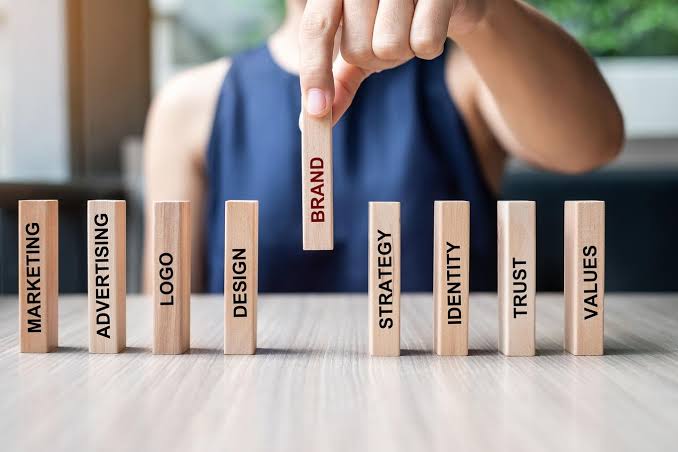
Building a recognizable brand has become one of the most important challenges for emerging businesses. A strong product can attract initial attention, but a clear and memorable brand helps customers understand why a business matters and why they should remember it. In crowded markets, companies often compete with dozens of alternatives offering similar features, prices, or technologies. Branding gives a business the opportunity to create a distinct identity that goes beyond what the product does.
For a startup, branding should not be treated as simply designing a logo, selecting attractive colors, or creating social media graphics. It is the process of defining how the business wants to be understood by customers, employees, investors, partners, and the wider market. Every interaction, from the first advertisement to the product experience and customer support conversation, contributes to that perception. When these experiences communicate a consistent idea, the brand becomes easier to recognize and trust.
The current business environment makes this even more important. Digital channels have made it easier for new companies to publish content, advertise products, communicate with customers, and use artificial intelligence to accelerate marketing activities. At the same time, customers are exposed to an enormous amount of similar-looking content. This means businesses need more than visibility. They need a recognizable personality, credible message, useful customer experience, and genuine reason for people to remember them.
Why Branding Matters for a Startup
A startup often begins with limited resources, a small team, and an evolving product. Because of these limitations, founders may prioritize product development, sales, fundraising, and operations while postponing branding. However, the absence of a clear identity can create problems as the company grows. Different employees may describe the product differently, marketing campaigns may communicate conflicting messages, and customers may struggle to understand what makes the company different.
Effective branding creates a foundation for consistency. It helps determine the language used in advertisements, the visual appearance of marketing materials, the tone of customer communication, and the way the company presents its value proposition. Instead of creating every campaign from scratch, a business can use established brand principles as a guide. This improves recognition and makes every customer interaction feel connected to the same organization.
Branding also influences perceived credibility. Customers may not immediately understand the technology, operational model, or long-term strategy behind a new business, but they can quickly evaluate how professional and consistent the company appears. A thoughtful identity can make an emerging business feel more established without pretending to be something it is not. The goal is not to look artificially large; it is to communicate reliability, purpose, and confidence.
Define the Brand Before Designing It
One of the most common branding mistakes is beginning with visual design before defining the underlying strategy. Choosing a logo or color palette can feel productive, but visual decisions become much easier when the business first understands its positioning. Before creating the identity, founders should be able to explain what the company does, who it serves, what problem it solves, and why its approach is different.
A useful brand strategy should answer several fundamental questions. What customer problem deserves attention? What type of customer is most likely to value the solution? What alternatives are customers currently using? What emotional or practical benefit should customers associate with the company? What should people immediately think when they hear the brand name? These questions provide the foundation for visual and verbal decisions.
For example, imagine a technology company offering productivity software for small teams. It could position itself around speed and simplicity rather than presenting itself as another complicated enterprise platform. That positioning would influence everything from the website language to the interface design, advertising style, onboarding process, and customer support. The brand would communicate a clear promise instead of trying to appeal equally to everyone.
Build a Distinctive Brand Identity
A memorable identity combines visual and verbal elements into one recognizable system. The logo is only one component. Typography, colors, photography, illustrations, iconography, layout, messaging, and tone all contribute to how customers recognize a business.

A strong identity should work across different environments. A company may appear on a website, mobile application, social media profile, email campaign, presentation, advertisement, packaging, or business document. If the identity only works in one format, it becomes difficult to maintain consistency. Modern brands therefore need flexible systems that can adapt to different screen sizes, content formats, and communication channels.
The visual identity should also reflect the company’s actual personality. A playful consumer brand may use expressive typography and energetic visual elements, while a professional financial technology company may require a more structured and reassuring appearance. Neither approach is automatically better. The important factor is whether the identity matches the audience and reinforces the company’s positioning.
Create a Recognizable Verbal Identity
Brand voice is often overlooked because companies naturally focus more attention on visual design. Yet the words a business uses can become one of its strongest recognition signals. A clear verbal identity determines whether communication feels confident, friendly, educational, bold, technical, conversational, or premium.
Consistency is especially important when multiple people create content. Without guidelines, one employee may write in a formal corporate style while another uses casual language. The inconsistency can make the business feel fragmented. A simple voice guide can establish preferred vocabulary, sentence style, tone, messaging principles, and examples of language to use or avoid.
For example, a brand focused on helping first-time entrepreneurs may choose an encouraging and educational voice. Instead of using complex industry terminology, it could explain difficult concepts in straightforward language. Over time, this communication style becomes part of the customer experience and helps reinforce the company’s personality.
Understand the Audience Deeply
Memorable branding begins with understanding people rather than designing for personal preference. Founders naturally have opinions about colors, names, slogans, and design styles, but customers may interpret those elements differently. Research helps reduce assumptions and reveals what the target audience actually values.
Customer research does not always require an expensive research program. Interviews, support conversations, reviews, surveys, competitor analysis, sales calls, and community discussions can reveal valuable patterns. The objective is to understand customers’ problems, motivations, concerns, expectations, and language.
For a startup, this insight can be particularly useful because the brand may evolve alongside the product. Early customers can reveal which benefits matter most and which messages create confusion. Instead of treating branding as a fixed identity created once, companies can refine their communication as they gain a better understanding of the market.
Differentiate Through Positioning Rather Than Decoration
A company does not become memorable simply because it has attractive graphics. Differentiation comes from owning a meaningful position in the customer’s mind. If every competitor describes itself as innovative, customer-focused, affordable, and reliable, those words lose much of their distinctiveness.
The goal should be to identify a specific idea that the business can consistently communicate and support through its actions. A company might focus on exceptional simplicity, specialized expertise, transparent pricing, personalized service, environmental responsibility, speed, or a particular customer segment. The strongest positioning is usually connected to something the business can genuinely deliver.
For example, a software company serving independent professionals could position itself around reducing administrative complexity. Instead of advertising dozens of features, it could repeatedly communicate how the product helps customers spend less time managing work and more time serving clients. The positioning then becomes useful across advertising, product design, customer support, and content marketing.
Create a Consistent Customer Experience
Branding does not stop when someone recognizes the logo. The actual customer experience either strengthens or weakens the brand promise. If a company presents itself as simple but has a confusing onboarding process, the branding becomes less credible. If it promotes personal service but takes days to respond to customer questions, the gap between message and experience becomes noticeable.
Every major customer touchpoint should therefore support the same positioning. This includes the first website visit, product demonstration, purchase process, onboarding, customer service, billing communication, and post-purchase relationship. Consistency does not mean every interaction must look identical. Instead, the same core personality and promise should remain recognizable.
A startup can use this principle to build stronger loyalty without constantly spending more on advertising. When customers experience the same values repeatedly, the brand becomes associated with predictable expectations. Over time, that familiarity can influence whether customers return, recommend the company, or choose it over an unfamiliar competitor.
Use Digital Channels Without Losing Authenticity
Digital platforms give emerging companies opportunities that were previously difficult to access. A small team can publish educational content, communicate directly with customers, demonstrate products, build communities, and establish a recognizable personality. However, the volume of digital content also creates a major challenge: it is increasingly difficult to stand out through content quantity alone.
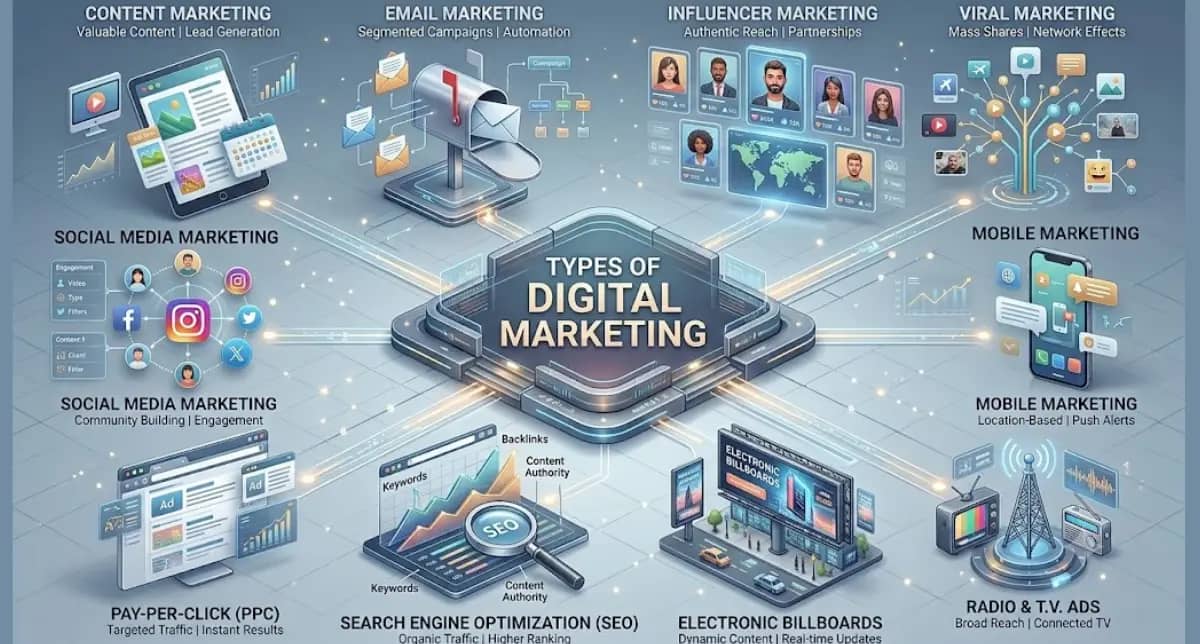
Artificial intelligence can help teams research ideas, organize information, create drafts, analyze customer feedback, and accelerate repetitive marketing tasks. However, effective branding still requires human judgment. If every message feels generic or automated, customers may struggle to understand what makes the company unique.
A strong digital strategy therefore combines efficiency with personality. Founders, employees, customers, experts, and community members can provide experiences and perspectives that generic content cannot easily reproduce. Behind-the-scenes stories, genuine customer experiences, thoughtful opinions, educational explanations, and transparent communication can make a brand feel more human.
The most useful approach is to treat AI as a supporting tool rather than the identity of the business. Technology can help a team work faster, but the company’s values, experiences, expertise, and relationships should remain visible in its communication.
Key Elements of a Strong Brand System
A growing business does not need hundreds of branding rules. It needs a practical system that employees can understand and consistently apply.
| Brand Element | Purpose | Practical Focus |
|---|---|---|
| Positioning | Establishes market differentiation | Define the audience, problem, and unique value |
| Visual Identity | Creates recognition | Logo, colors, typography, imagery, and layouts |
| Brand Voice | Creates personality | Tone, vocabulary, messaging, and communication style |
| Customer Experience | Reinforces trust | Website, product, support, onboarding, and service |
| Brand Guidelines | Maintains consistency | Clear rules and examples for internal and external use |
These elements should work together rather than being developed independently. A premium positioning should be reflected in the visual identity and customer experience. A friendly positioning should influence language and service interactions. When the pieces support one another, customers receive a clearer impression of what the business represents.
Avoid Common Branding Mistakes
One major mistake is copying competitors too closely. Competitor research is valuable for understanding market expectations, but copying visual styles or messaging can make a new company appear interchangeable. Customers have little reason to remember a business that looks and sounds exactly like every other company in its category.
Another mistake is changing the identity too frequently. A business may redesign its logo, colors, messaging, and website every few months because the founder wants something fresh. While evolution is normal, constant changes prevent customers from building recognition. Strong branding usually requires enough consistency for associations to develop.
A third mistake is making promises the company cannot support. Marketing may attract attention, but customer experience determines whether that attention becomes trust. A memorable brand should be built around real capabilities rather than exaggerated claims.
Founders should also avoid trying to appeal to everyone. Broad messaging often becomes vague messaging. A clearly defined audience makes it easier to develop relevant communication and a stronger market position. A focused brand can still expand later, but its early identity should give customers a clear reason to choose it.
Make the Brand Scalable From the Beginning
A growing company may initially have only one founder creating social media posts and sales presentations. As the business expands, marketers, designers, salespeople, agencies, and new employees may all communicate on its behalf. Without a documented system, consistency can quickly disappear.
A practical brand guide can solve this problem. It does not need to be a massive document. It can explain the company’s positioning, audience, personality, voice, visual rules, messaging priorities, and examples of appropriate communication. The purpose is to help different people make decisions that still feel like they belong to the same brand.
Scalability also means considering future markets and products. A narrow visual identity may work for one product but become restrictive if the company later expands into related categories. A flexible system gives the business room to grow without requiring a complete rebrand every time a new opportunity appears.
Measure Whether Branding Is Working
Branding can sometimes feel difficult to measure because its impact develops over time. However, businesses can monitor useful indicators. Direct traffic, branded searches, returning customers, customer referrals, social engagement, conversion rates, customer feedback, and qualitative brand recognition can all provide signals.
The most important measurement is not necessarily how many people have seen a logo. It is whether the intended audience understands and remembers the business for the right reasons. If customers can describe what a company does, who it helps, and why it is different, the brand is creating useful mental associations.
Companies should also listen for changes in customer language. If customers begin using the same phrases that appear in the company’s positioning, it can indicate that the message is becoming established. Likewise, repeated confusion about the product or its value proposition is a sign that the brand strategy may need clarification.
Branding as a Long-Term Competitive Asset
A strong startup brand can become an important competitive asset because competitors can copy features more easily than they can copy years of customer relationships and accumulated reputation. Products evolve, technologies change, and pricing models shift, but a trusted identity can provide continuity.
This is particularly relevant in markets where artificial intelligence and digital tools make it easier to launch products quickly. When technical capabilities become more accessible, differentiation increasingly depends on customer experience, credibility, community, communication, and the overall meaning attached to the company.
That does not mean branding should replace product quality. The opposite is true. The strongest brands connect a compelling identity with an experience that genuinely delivers on its promises. Branding creates expectations; the product and company behavior determine whether those expectations become trust.
A Practical Branding Process for Founders
For an early-stage team, the process can begin with a simple foundation. First, clarify the target customer and the problem the company solves. Next, identify meaningful competitors and determine how the business can occupy a distinct position. Then develop the brand personality and messaging before moving into visual design.
After the strategy is established, create a flexible visual identity and a concise brand voice guide. Apply both consistently across the website, social platforms, presentations, product interfaces, sales materials, and customer communication. Review the complete customer journey to ensure that the experience supports the promises made in marketing.
Finally, collect feedback and refine the system gradually. Branding should have enough stability to build recognition but enough flexibility to respond to customer learning and market changes. The objective is not to create a perfect identity on the first attempt. It is to establish a strong foundation that can improve as the business grows.
A Simple Branding Checklist
- Define the ideal customer and their primary problem.
- Establish a clear and defensible market position.
- Develop consistent visual and verbal identity guidelines.
- Make the customer experience match the brand promise.
- Review and improve the brand using customer feedback and market signals.
Conclusion
Memorable branding is ultimately about creating a clear and consistent reason for customers to remember a business. For a startup, the process begins with strategy rather than decoration. Understanding the audience, defining a meaningful position, developing a distinctive identity, and delivering a consistent customer experience creates a foundation that can support growth across different channels. In the current digital environment, simply producing more content or using advanced marketing technology is not enough. Customers are exposed to an increasing amount of automated and highly similar communication, making genuine differentiation more valuable. Businesses that combine technology with human insight, recognizable personality, transparent communication, and real customer value can create stronger relationships.