


Customer retention has become one of the most important priorities for any growing startup. Attracting new customers can create initial momentum, but sustainable growth depends on what happens after the first purchase. When customers continue buying, renewing subscriptions, recommending a business, and increasing their engagement over time, revenue becomes more predictable. This makes retention more than a customer service responsibility; it becomes a core part of the overall growth strategy.
For a startup operating in a competitive market, retaining customers can also create an important advantage. Customers have more choices than ever, and switching between competing products or services can often take only a few minutes. Businesses therefore need to provide consistent value rather than relying on one successful transaction. A strong retention strategy focuses on understanding customer expectations, removing friction, communicating at the right time, and continually improving the experience.
The most effective approach is not to use one retention tactic in isolation. Instead, businesses should build a connected customer experience in which onboarding, support, personalization, product improvements, loyalty initiatives, and customer feedback work together. When these areas are managed effectively, retention can contribute directly to stronger long-term revenue and healthier business economics.
Understanding Why Customer Retention Matters
Customer retention measures how effectively a business keeps existing customers over a specific period. While acquisition brings people into the business, retention determines how many of those customers remain active and continue generating value. A company that constantly replaces customers who leave may appear to be growing, but its underlying business model can become inefficient because significant resources are repeatedly spent on acquisition.
Retention also provides a clearer opportunity to develop customer relationships. An existing customer already understands the product, has experienced its benefits, and has formed expectations about the company. If that experience is positive, future purchases can become easier because less education and persuasion are required. Over time, satisfied customers may also purchase additional products, upgrade their plans, or recommend the business to others.
For a startup, this creates a compounding effect. A customer who stays longer can generate more total revenue while potentially creating additional customers through referrals. At the same time, feedback from long-term customers can help the business identify weaknesses and improve its offering. Retention therefore influences revenue, reputation, product development, and customer acquisition simultaneously.
Build a Strong Customer Onboarding Experience
The customer relationship begins immediately after the purchase, which makes onboarding one of the most important retention opportunities. Customers need to understand how to use a product, what benefits they should expect, and where to get assistance when they encounter difficulties. A complicated first experience can create frustration before the customer has had enough time to understand the product’s value.
A startup should design onboarding around the customer’s desired outcome rather than simply explaining every feature. For example, a project management platform could guide a new customer through creating a project, inviting a team member, assigning a task, and completing a basic workflow. This approach helps customers experience practical value quickly. The goal is to shorten the distance between purchase and the first meaningful success.
Onboarding should also continue beyond the first day. Follow-up messages, educational resources, product tips, and milestone-based guidance can help customers discover useful features as their familiarity grows. When customers consistently understand how a product can solve their problems, they have stronger reasons to remain engaged.
Deliver Consistent and Measurable Value
Customers rarely remain loyal simply because they have already purchased something. They stay when the product or service continues to solve a problem effectively. Therefore, retention begins with delivering reliable value. Product quality, performance, availability, convenience, and usefulness all contribute to whether customers feel their investment is worthwhile.
A startup should regularly ask whether customers are achieving the outcome they expected when they purchased. This can involve monitoring usage patterns, customer feedback, support conversations, renewals, and other relevant signals. If customers frequently purchase a service but rarely use it, for instance, the business may have an engagement problem that could eventually become a retention problem.
Value can also evolve as customer needs change. Businesses that regularly improve their products and services can demonstrate that they are committed to customers’ long-term success. Small improvements can sometimes make a meaningful difference when they address a recurring frustration or simplify an important workflow.
Personalize the Customer Experience
Personalization has become increasingly important because customers expect businesses to understand their needs. However, effective personalization does not necessarily mean creating complicated individual experiences for every person. It can begin with using available customer information to make communication more relevant.
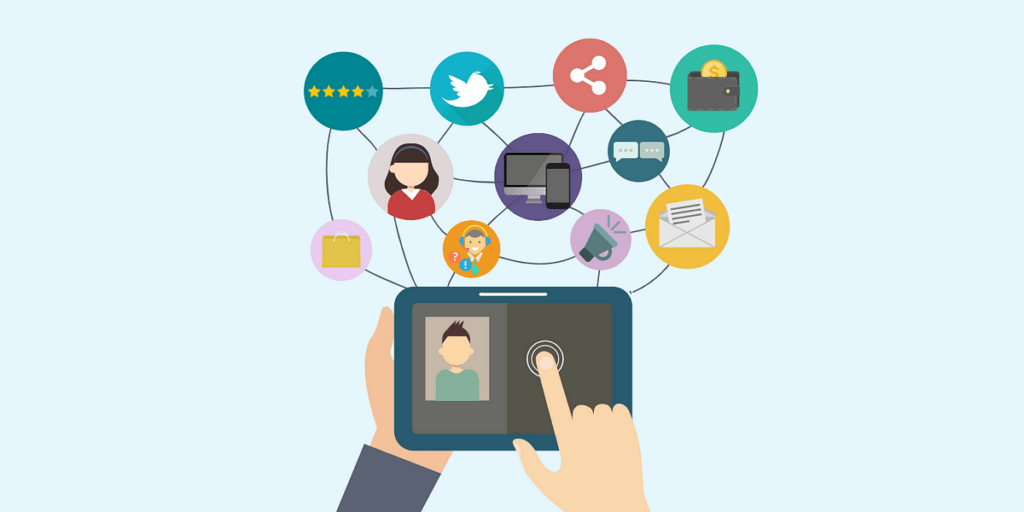
A startup can segment customers according to factors such as purchase history, product usage, business size, interests, engagement level, or stage in the customer journey. A new customer might receive educational guidance, while a long-term customer could receive advanced product recommendations. Similarly, customers who have stopped engaging may need a different type of communication from highly active customers.
The key is to make personalization useful rather than intrusive. Customers should receive information that helps them achieve better results, discover relevant features, or solve problems. When communication consistently feels helpful, customers are more likely to engage with the business.
Provide Fast and Human Customer Support
Customer support can strongly influence whether a customer decides to stay with a business. Even an excellent product can create dissatisfaction when customers cannot get help during a difficult situation. Fast responses, accurate information, and clear communication can turn a potentially negative experience into an opportunity to strengthen trust.
For a startup, support does not necessarily require a large team. A combination of self-service resources, automated assistance, well-organized documentation, and human support can handle different types of customer needs. Simple questions can be answered through a knowledge base, while complex problems can be escalated to an experienced representative.
Human interaction remains particularly valuable when a customer has a serious problem or a situation that does not fit a standard support process. Representatives should focus on understanding the actual issue rather than simply closing tickets quickly. A customer who feels heard and supported may remember the quality of that interaction when deciding whether to continue the relationship.
Use Customer Feedback as a Growth Tool
Customer feedback provides direct insight into what customers appreciate, what frustrates them, and what they want to see improved. A startup that collects feedback but does nothing with it can actually create disappointment because customers may feel that their opinions are being ignored.
Feedback should therefore be connected to practical decision-making. Businesses can collect information through surveys, support interactions, reviews, interviews, product feedback forms, and customer conversations. The objective is not to implement every suggestion but to identify repeated patterns.
When several customers report the same problem, it may indicate a broader product or service issue. When customers consistently praise a particular feature, the business can investigate how to strengthen or expand that area. Communicating meaningful improvements back to customers also demonstrates that their feedback has an impact.
Create Loyalty Through Meaningful Incentives
Loyalty programs can encourage repeat purchases, but rewards should be designed carefully. A discount alone may encourage a customer to return temporarily without creating genuine loyalty. Stronger programs connect rewards with behaviors that benefit both the customer and the business.
For example, customers might receive benefits for repeat purchases, reaching usage milestones, referring new customers, renewing a subscription, or upgrading their service. The reward could involve discounts, additional functionality, priority support, exclusive access, or other benefits.
The most important consideration is relevance. If customers have to complete complicated steps to receive a small reward, the program can become frustrating. A simple and transparent loyalty structure is generally easier for customers to understand and more likely to influence behavior.
Reduce Customer Churn Before It Happens
Churn is often treated as something that happens when a customer cancels, but effective retention strategies attempt to identify warning signs earlier. Declining usage, fewer purchases, unresolved support issues, negative feedback, missed renewals, and reduced engagement can all indicate that a customer may be losing interest.
A startup can create a basic risk-monitoring system by identifying behaviors commonly associated with churn. Customers showing these signals can then receive appropriate assistance. For example, a customer whose product usage has dropped sharply might receive a helpful product guide or an invitation to speak with support.

The goal should not be to bombard customers with promotional messages. Retention outreach works best when it addresses a genuine reason for disengagement. If the customer is struggling with a particular feature, solving that problem is likely to be more valuable than simply offering another discount.
Develop a Strategic Retention Communication Plan
Communication should continue throughout the customer lifecycle rather than occurring only when the business wants another purchase. Useful communication can include onboarding guidance, educational content, product updates, personalized recommendations, renewal reminders, and customer appreciation messages.
Timing matters as much as frequency. Sending too many messages can make customers disengage, while communicating too rarely can cause the business to become irrelevant. A well-designed communication plan uses customer behavior and lifecycle stages to determine what information is appropriate.
For example, a customer who has recently purchased may need implementation guidance, while a customer who has been active for a year may benefit more from advanced features. This lifecycle approach allows a startup to maintain relevance without overwhelming its audience.
Turn Satisfied Customers Into Brand Advocates
Long-term customers can become one of the most valuable sources of organic growth. When customers genuinely enjoy a product or service, they may recommend it to colleagues, friends, or professional networks. These recommendations can bring in prospects who already have a degree of trust because the business was introduced through someone they know.
A startup can encourage advocacy by making it easy for satisfied customers to share their experiences. Testimonials, reviews, referrals, case studies, and customer stories can demonstrate real-world value. However, advocacy should be based on genuine satisfaction rather than aggressive requests.
Businesses can also recognize loyal customers publicly or privately when appropriate. Appreciation helps strengthen the emotional side of the relationship and can make customers feel that their continued support matters.
Use Data to Improve Retention Decisions
Retention becomes much more effective when decisions are supported by meaningful data. Instead of assuming why customers leave, businesses can examine patterns across customer behavior. Important indicators can include retention rate, churn rate, repeat purchase rate, renewal rate, customer lifetime value, average order value, and engagement levels.
| Retention Metric | What It Shows | Why It Matters |
|---|---|---|
| Customer Retention Rate | Percentage of customers retained | Measures overall customer stability |
| Churn Rate | Percentage of customers lost | Highlights customer loss |
| Repeat Purchase Rate | Customers who purchase again | Indicates repeat buying behavior |
| Renewal Rate | Customers continuing a service | Useful for subscription businesses |
| Customer Lifetime Value | Expected revenue from a customer | Helps evaluate long-term value |
Data should be used to identify trends rather than simply produce reports. If churn increases after a pricing change, for example, the business can investigate whether customers perceive the new pricing as insufficiently valuable. If customers who complete onboarding have significantly stronger retention, improving onboarding may become a strategic priority.
Create a Customer-Centric Company Culture
Retention cannot be delegated entirely to a marketing or support department. The entire organization influences the customer experience. Product teams decide what gets improved, sales teams establish expectations, support teams resolve problems, and leadership determines how customer relationships are prioritized.
A startup can strengthen retention by making customer outcomes part of internal decision-making. Before launching a major change, teams can consider how it will affect existing customers. Similarly, customer complaints can be treated as useful information rather than simply as operational problems.
This approach creates consistency. When customers experience the same commitment to quality across sales, product, billing, and support interactions, trust becomes stronger. Over time, that trust can become one of the most defensible assets of the business.
Practical Retention Priorities for a Growing Business
Not every retention tactic needs to be introduced simultaneously. A startup can begin with a small number of high-impact improvements and expand its retention program as the customer base grows.
The following priorities can provide a practical starting point:
- Improve onboarding so customers reach their first meaningful result quickly.
- Identify common reasons for customer complaints and churn.
- Create personalized communication based on customer behavior.
- Make support faster, clearer, and easier to access.
- Measure retention consistently and act on recurring patterns.
The most important principle is consistency. Retention improves when customers repeatedly experience value rather than when a business launches occasional campaigns designed to bring inactive customers back.
How Retention Supports Long-Term Revenue
Customer retention affects revenue in several ways. When customers remain active for longer, businesses have more opportunities to generate repeat purchases, renewals, upgrades, and cross-selling revenue. Longer relationships can also make revenue forecasting more predictable, which is particularly valuable for businesses managing hiring, inventory, marketing, and product development.
Retention can also improve the efficiency of growth. A business that retains a larger proportion of its customers does not have to replace as many lost customers simply to maintain its existing revenue base. This gives the company more room to focus its resources on expansion and product improvement.
For a startup, the long-term effect can be significant. Customer relationships accumulate over time, and a strong retention strategy can transform individual transactions into a stable customer base. That stability creates a stronger foundation for sustainable growth than acquisition alone.
Conclusion
Customer retention is not a single campaign or discount strategy. It is an ongoing business discipline built around delivering value, understanding customer needs, solving problems quickly, and maintaining meaningful relationships. For a startup, these principles can be especially important because every retained customer can contribute to repeat revenue, stronger reputation, valuable feedback, and future referrals. The strongest retention strategies begin with the customer experience and are supported by data. Businesses should make onboarding easier, personalize communication, provide dependable support, monitor churn signals, reward genuine loyalty, and continuously improve their products based on customer feedback. These actions work together to create an experience that gives customers compelling reasons to stay.